
As we navigate through 2026, the landscape of small and medium-sized business (SMB) marketing in the United States is undergoing a profound transformation. Gone are the days of tentative digital dabbling; today, US SMBs are making definitive strategic shifts, embracing innovative technologies, and recalibrating their financial commitments to marketing. This isn’t merely an adjustment but a fundamental re-evaluation of what drives growth and survival in an increasingly complex economic environment.
Despite persistent economic challenges, the overwhelming sentiment among US SMB owners isn’t one of retrenchment, but rather, strategic expansion. Marketing budgets are not shrinking; they are, in fact, growing. This counterintuitive trend underscores a critical realization: marketing is no longer a discretionary expense but an indispensable engine for both resilience and advancement. The focus is sharp, the tools are smarter, and the approach is more personalized than ever before, signaling a vibrant and dynamic future for US SMBs.
The Shifting Sands of SMB Marketing: Digital Dominance in 2026
For US SMBs, 2026 marks a decisive pivot towards digital marketing channels, firmly establishing their supremacy over traditional approaches. A recent survey conducted by Constant Contact revealed a clear preference among SMB owners for strategies that leverage the internet’s expansive reach and granular targeting capabilities. This shift is not just a trend but a strategic imperative, driven by the measurable impact and cost-effectiveness that digital platforms offer.
Betting Big on Digital: Social Media and Email Lead the Charge
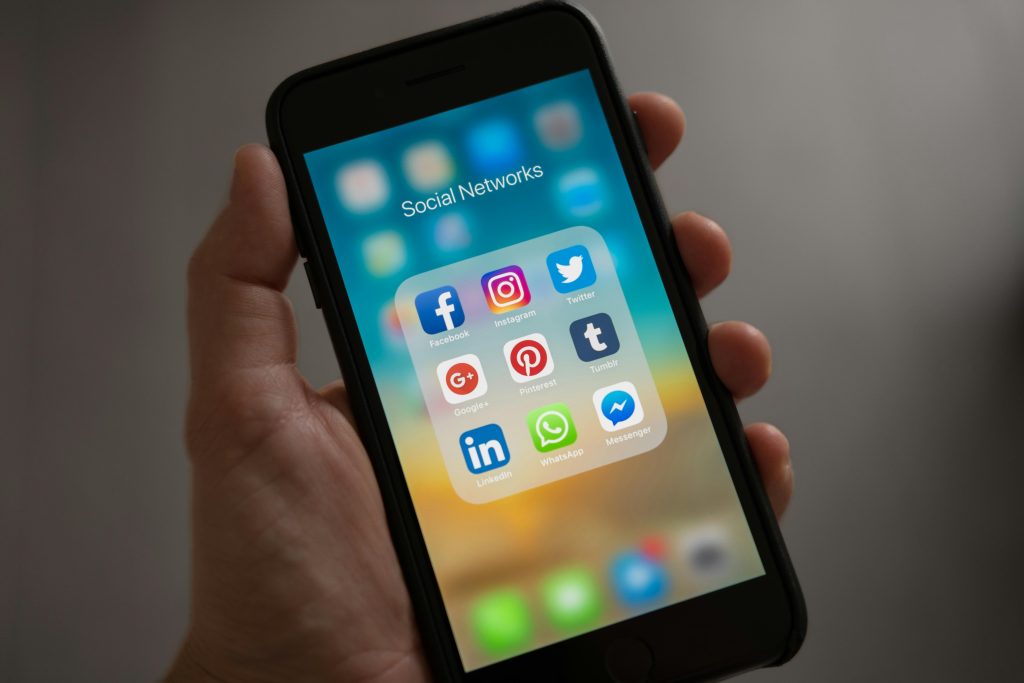
When asked which channels are expected to drive the most business in 2026, US SMB owners placed their bets squarely on digital. Social media emerged as the undisputed leader, with a commanding 68% of respondents identifying it as a primary investment area. This highlights the power of social platforms not just for brand awareness, but as direct drivers of customer acquisition and engagement. Following closely, email marketing remains a cornerstone strategy, with 41% of SMBs prioritizing investments in this channel.
The emphasis on social media and email is a testament to their inherent advantages for SMBs. Social media offers direct interaction, community building, and viral potential, often at a lower cost than traditional advertising. Email marketing, when executed strategically, provides a direct line to customers, fostering loyalty and driving conversions through personalized communication. Both channels offer robust analytics, allowing SMBs to track performance, understand customer behavior, and optimize campaigns in real-time – a luxury often unavailable or prohibitively expensive with traditional methods.
In stark contrast, traditional advertising channels and in-person events ranked significantly lower in investment priority. Traditional advertising garnered only 26% of attention, while in-person events, despite their value for certain niches, were prioritized by just 29% of SMBs. This data underscores a fundamental reallocation of resources, reflecting a pragmatic understanding of where US SMBs can achieve the greatest return on their marketing investment in the current economic climate.
Investing in Growth: Why SMB Marketing Budgets Are on the Rise
In a period marked by economic uncertainties and inflationary pressures, one might expect businesses to tighten their belts, especially in discretionary spending. However, US SMBs are defying this expectation, demonstrating a remarkable strategic foresight: they are increasing their marketing budgets, not cutting them. This decision reflects a deep-seated belief in marketing’s role as a non-negotiable driver of business continuity and expansion.
Defying Economic Headwinds: Marketing as an Essential Lever
The Constant Contact Q1 2026 Small Business Now report reveals a fascinating paradox: inflation is the number one worry for many SMB owners, yet a substantial 68% plan to increase their marketing budgets. Only a small fraction, 14%, expect their budgets to decrease. This isn’t recklessness; it’s a calculated strategy. As Smita Wadhawan, chief marketing officer at Constant Contact, aptly puts it, “entrepreneurs view marketing not as a discretionary expense, but as the essential lever for survival and growth.”
This perspective shift positions marketing as a core investment, akin to product development or operational efficiency, rather than an optional add-on. For US SMBs, a robust marketing presence is seen as vital for maintaining market share, attracting new customers, and adapting to evolving consumer behaviors, particularly in a competitive digital landscape. In challenging times, the impulse to cut marketing can be strong, but wise businesses recognize that this often leads to decreased visibility and market relevance, making recovery even harder.
Efficiency as a Core Strategy: Doing More, Smarter
While budgets are increasing, the mandate is clear: do more, but do it smarter. US SMB owners are acutely aware of the need to maximize every dollar spent. In response to anticipated barriers like customer engagement (cited by 44% as a top concern), half (50%) of SMB owners are prioritizing efficiency strategies. Furthermore, 33% are actively testing new tools and technology. This proactive approach underscores a commitment to optimization and innovation, ensuring that increased marketing investments translate into tangible results.
The drive for efficiency is intrinsically linked to the growing adoption of artificial intelligence (AI) tools, which allow SMBs to automate routine tasks, gain deeper insights, and personalize outreach without a proportional increase in human resources. By leveraging AI, businesses can maintain an increased pace of marketing activity without burning out their teams or overstretching their resources, truly embodying the “smarter” aspect of their directive.
The AI Revolution: Powering Smarter Marketing Operations for SMBs
The integration of artificial intelligence into marketing operations is no longer a futuristic concept for US SMBs; it’s a present-day reality and a rapidly expanding trend. AI is democratizing sophisticated marketing capabilities, enabling smaller businesses to compete more effectively with larger enterprises by making their marketing efforts more insightful, efficient, and impactful.
Widespread Adoption: From Data Analysis to Content Creation
The Constant Contact survey highlights a significant surge in AI adoption among US SMBs. More than half (54%) of SMB owners are already utilizing AI marketing tools. This widespread embrace reflects a recognition of AI’s transformative potential across various marketing functions. The applications are diverse and directly address common pain points for SMBs:
- Analyzing Trend Data: Nearly half (45%) of SMBs are leveraging AI to analyze market trends and customer data. This allows them to identify patterns, predict future behaviors, and make data-driven decisions that were once the exclusive domain of large corporations with dedicated analytics teams. AI can sift through vast amounts of information to provide actionable insights, helping SMBs understand what their customers want and how the market is evolving.
- Composing Content: A significant 44% of SMBs are using AI to compose marketing content. This includes generating ideas for blog posts, social media updates, email subject lines, and even drafting entire pieces of copy. AI-powered content creation tools can help SMBs overcome writer’s block, maintain a consistent content schedule, and produce engaging material quickly and efficiently, freeing up valuable human capital for more strategic tasks.
The benefits extend beyond these specific applications. AI can optimize ad targeting, personalize customer experiences at scale, automate customer service interactions, and even predict campaign performance. For US SMBs, these capabilities translate into significant time savings, improved campaign effectiveness, and a competitive edge in a crowded marketplace.
The Mandate to Do More: AI as an Enabler
The increased adoption of AI tools is particularly relevant given another key finding: three-quarters (74%) of SMBs surveyed expect to spend more time on marketing this year. This commitment to dedicating more resources to marketing could be daunting without the right tools. AI acts as a powerful enabler, allowing SMBs to meet this increased demand for marketing effort without necessarily increasing headcount proportionally.
By automating repetitive tasks, providing quick insights, and assisting with content generation, AI helps SMBs scale their marketing operations efficiently. It allows marketing teams, often small or even singular within SMBs, to focus on strategic planning, creative execution, and deep customer engagement rather than being bogged down by manual processes. This ability to “maintain this increased pace without burning out,” as Smita Wadhawan noted, is crucial for sustainable growth and innovation in the demanding 2026 marketing environment.
Beyond “Spray and Pray”: The Era of Personalized and Contextual Email Marketing
The days of generic, mass email blasts—the notorious “spray and pray” approach—are definitively over for US SMBs in 2026. This outdated tactic is not just inefficient; it’s now actively detrimental to marketing success, thanks to increasingly sophisticated technology and evolving consumer expectations. The new imperative is personalized, contextual, and respectful email communication.
The Demise of Generic Outreach: Smarter Spam Filters and Prospect Expectations
As Raphael Yu, a lead generation and strategy expert at LeadsNavi, warned the E-Commerce Times, “In 2026, spray and pray email tactics are far riskier than in previous years. AI-driven spam filters are smarter, routing generic outreach straight to spam or deleting it without the recipient ever seeing it.” This technological advancement means that untargeted, bulk messages are increasingly unlikely to ever reach their intended audience, rendering the effort utterly wasted.
Beyond the technical barriers, modern prospects, particularly in the US market, have elevated expectations. They demand relevance, context, and a clear respect for their preferences. They are inundated with information daily and have little patience for content that doesn’t directly speak to their needs or interests. Generic messages are not just ignored; they can actively damage a brand’s reputation, signaling a lack of understanding or care for the customer.
Leveraging Data for Meaningful Engagement
The solution to the demise of “spray and pray” lies in data-driven personalization. Marketers are now empowered to craft meaningful outreach by utilizing a combination of public and first-party data. This data is often drawn from customer relationship management (CRM) systems and customer engagement platforms, providing a holistic view of each prospect or customer. Key data points might include purchase history, browsing behavior, demographic information, previous interactions, and expressed preferences.
By leveraging this rich data, US SMBs can segment their audiences effectively and tailor messages to resonate deeply with individual recipients. This could mean sending product recommendations based on past purchases, offering relevant content based on browsing history, or addressing specific pain points identified through customer service interactions. The goal is to build trust and improve engagement by demonstrating that the business understands and values the recipient’s unique needs, all while adhering to privacy expectations and regulations.
Customer Engagement: The Top Barrier and How Personalization Overcomes It
It’s no coincidence that customer engagement is identified as the top anticipated barrier to marketing in 2026, cited by 44% of SMB owners. In a world saturated with digital noise, capturing and retaining customer attention is incredibly challenging. Generic marketing only exacerbates this problem, contributing to disinterest and fatigue.
Personalized and contextual email marketing directly addresses this engagement challenge. When an email feels tailor-made, relevant, and timely, it cuts through the clutter, grabs attention, and encourages interaction. This approach fosters a sense of being understood and valued, strengthening the customer relationship and driving loyalty. For US SMBs, mastering the art of data-driven personalization in email marketing is not just a best practice; it’s a critical strategy for overcoming engagement hurdles and securing a competitive advantage.
Navigating the Broader Media Landscape: What the Upfronts Shift Means
While US SMBs are increasingly focused on digital channels, it’s important to understand the broader media ecosystem, especially as major industry events like the TV Upfronts and NewFronts evolve. For 2026, these key industry gatherings are undergoing a timing shift that reflects the ongoing convergence and differentiation between traditional broadcast and digital advertising.
A New Rhythm for Digital and Traditional Advertising
The 2026 calendar for the TV Upfronts and IAB NewFronts introduces a notable change: the NewFronts, which showcase digital content and advertising opportunities, are arriving earlier than usual, kicking off in late March. This timing creates more breathing room between digital platform pitches and the traditional TV Upfronts that follow in May. This adjustment by industry organizers like Ad Age indicates a strategic effort to allow advertisers and media buyers more dedicated time to evaluate both digital and traditional offerings without overlapping pressures.
For US SMBs, while direct participation in these large-scale events might be rare, understanding this shift offers valuable context. It signifies the continued importance of digital platforms as distinct and powerful advertising vehicles, warranting their own dedicated spotlight. It also shows how the industry is trying to better organize the massive amounts of ad inventory available. For those SMBs that might aspire to larger campaigns, partnerships, or influencer marketing on platforms discussed at the NewFronts, this earlier timing could mean earlier access to emerging trends and partnership opportunities. Even for SMBs focused on smaller-scale digital ads, the trends discussed at NewFronts often trickle down, influencing platform features, ad formats, and consumer behavior, making it beneficial to stay informed about the broader media landscape’s evolving rhythms.
Strategies for US SMBs to Thrive in 2026
The insights from 2026 paint a clear picture for US SMBs: adaptation, innovation, and strategic investment are paramount. To not just survive but truly thrive, businesses must embrace a forward-thinking approach to their marketing efforts. Here are key strategies to implement:
- Prioritize Digital Channels: Reallocate resources to focus predominantly on social media and email marketing. These channels offer the best blend of reach, cost-effectiveness, and measurable ROI for SMBs. Invest in platforms that resonate most with your target audience.
- Invest in AI Tools: Actively explore and integrate AI marketing tools for data analysis, content creation, and operational efficiency. AI is no longer optional; it’s a strategic necessity for staying competitive and managing increased marketing demands without burnout.
- Embrace Personalized, Data-Driven Email Marketing: Abandon generic “spray and pray” tactics. Instead, leverage CRM and customer engagement platforms to collect and utilize first-party data. Craft highly relevant, contextual, and personalized email campaigns that build trust and drive engagement.
- Focus on Customer Engagement: Recognize that customer engagement is a primary challenge and design all marketing efforts with this in mind. Create valuable content, foster two-way conversations on social media, and use personalization to make customers feel seen and valued.
- View Marketing as an Investment: Shift your mindset from viewing marketing as an expense to seeing it as an essential lever for growth and survival. Be prepared to increase marketing budgets strategically, knowing these investments are crucial for long-term success.
- Continuously Learn and Adapt: The digital marketing landscape is constantly evolving. Stay informed about new technologies, platform changes, and emerging consumer behaviors. Attend webinars, read industry reports, and be willing to test new tools and strategies.
- Optimize for Efficiency: With increased marketing activity, efficiency is key. Streamline processes, automate where possible, and ensure your marketing team (or you, as an owner) can “do more, but do it smarter.”
Conclusion
The year 2026 represents a pivotal moment for US SMBs, defined by a resolute commitment to digital innovation and strategic growth. The narrative is clear: digital marketing, spearheaded by social media and email, has cemented its position as the primary battleground for customer attention. Simultaneously, the pervasive integration of AI tools is not just enhancing efficiency but redefining the very capabilities of SMB marketing, enabling smarter decisions and more impactful outreach.
Despite economic headwinds, US SMBs are boldly increasing their marketing budgets, recognizing these investments not as luxuries, but as foundational pillars for survival and expansion. This strategic foresight, coupled with a nuanced understanding that generic “spray and pray” tactics are obsolete in favor of highly personalized and contextual engagement, positions American small businesses at the forefront of a dynamic marketing revolution. By embracing these shifts, leveraging cutting-edge technology, and prioritizing genuine customer connection, US SMBs are well-equipped to navigate the complexities of 2026 and chart a course for sustained success and unparalleled growth.