

Artificial intelligence is rapidly becoming the driving force behind online education platforms in the United States. Universities and edtech companies are integrating AI into tutoring systems, grading tools, admissions support, career guidance, and personalized learning experiences.


8
Industry analysts say AI is moving beyond experimental tools and becoming part of the core infrastructure of higher education. Schools are increasingly using AI to:
- Personalize lesson plans
- Identify struggling students early
- Automate grading systems
- Improve student engagement
- Provide 24/7 AI tutoring assistance
Experts believe AI-driven personalization could become one of the most important educational breakthroughs of the decade.
New $10,000 AI-Powered College Model Gains Attention
One of the biggest stories in U.S. education this year is the launch of the Khan TED Institute — a new AI-focused college initiative created by Khan Academy, TED, and ETS. The institution aims to deliver a low-cost college education designed specifically for the AI era.


6
The new model emphasizes:
- AI-assisted personalized learning
- Competency-based education
- Flexible online coursework
- Communication and AI literacy skills
- Lower tuition costs compared to traditional universities
Education researchers say the initiative reflects growing pressure on universities to adapt to rapidly changing workforce demands.
Cybersecurity Becomes a Major Concern for Online Schools
A massive cyberattack recently disrupted the Canvas online learning platform used by thousands of schools and universities worldwide, including many across the United States. The attack temporarily locked students and teachers out of assignments, grades, and exam materials.


7
The incident exposed growing concerns around:
- Student data privacy
- Centralized online learning systems
- Educational cybersecurity risks
- Dependence on cloud-based education platforms
Security experts say educational institutions are now accelerating investments in digital security and backup learning systems.
AI Tutors and Personalized Learning Platforms Expand
AI-powered tutoring platforms are becoming increasingly popular in America. New educational systems can now track how students solve problems step-by-step and adapt lessons based on learning behavior.


7
Many modern online learning platforms now include:
- Real-time feedback systems
- Adaptive quizzes
- AI-generated explanations
- Interactive problem-solving tools
- Personalized study recommendations
Researchers say AI tutors could significantly improve student performance while reducing teacher workload.
Microlearning and Short Courses Continue Rising
American students are increasingly preferring short-form learning formats instead of long traditional lectures. Microlearning — which delivers information through short videos, quizzes, flashcards, and interactive modules — is becoming one of the fastest-growing trends in online education.


6
Education specialists say shorter learning formats improve:
- Attention retention
- Flexibility for working students
- Mobile learning accessibility
- Student engagement
- Continuous skill development
Online certification programs and skill-based micro-courses are now competing directly with traditional degree pathways in some industries.
Online Universities Continue Expanding
American universities continue investing heavily in online degree programs and hybrid learning models. Institutions such as Oregon State University Ecampus remain among the top-ranked online education providers in the country.


7
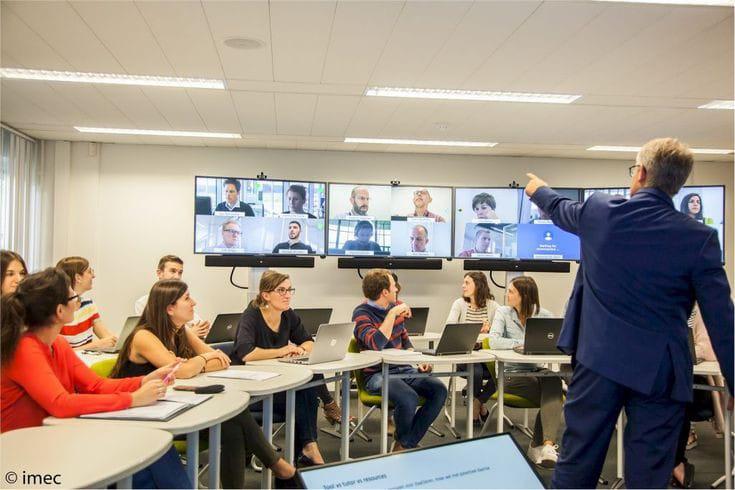
Experts say hybrid learning — combining online and in-person instruction — is becoming the preferred model for many universities after the pandemic-era digital transformation.
The Future of Online Education in America
Education analysts believe the future of U.S. online learning will focus on:
- AI-powered tutoring systems
- Personalized learning pathways
- Virtual and augmented reality classrooms
- Skill-based certifications
- Flexible microlearning systems
- AI-assisted teachers
- Global remote education access
Experts say the next generation of education will likely combine technology, personalization, and lifelong learning rather than relying entirely on traditional classroom models.


