
Navigating the Evolving Electric Car Market in USA 2026: A Consumer’s Handbook
The landscape of the automobile electric car USA 2026 market is dynamic, presenting both exciting opportunities and new considerations for consumers. As the nation continues its transition towards electrification, prospective buyers are faced with a wealth of choices, technological advancements, and shifting market dynamics. From innovative new models to an increasingly robust used EV market, understanding these trends is key to making an informed purchase. This comprehensive guide will equip US readers with practical tips and insights to confidently navigate the electric vehicle (EV) sector in the coming year, ensuring you make a smart investment that aligns with your lifestyle and budget.
Embracing Innovation: What to Expect from New Electric Vehicles
For those eyeing a brand-new EV, 2026 promises a wave of advancements focused on enhancing user experience and performance. Automakers are keenly aware of consumer demands for greater range, faster charging, and integrated technology. A prime example is the anticipation surrounding the 2027 Chevy Bolt, which critics are already reviewing in 2026, touting “more range, quicker charging and AI for a song.” This signals a trend: future EVs will not only be more capable in terms of basic performance but also smarter and more integrated into our digital lives.
When considering a new EV, here are practical tips:
- Prioritize Range and Charging Speed: While the average daily commute is well within current EV ranges, consider your longest typical trips. Models like the upcoming Bolt demonstrate a commitment to improving these core metrics. Faster charging capabilities, especially on DC fast chargers, significantly enhance convenience.
- Evaluate Integrated AI and Software: Modern EVs are increasingly software-defined. Features like advanced infotainment, predictive navigation, and AI-driven vehicle diagnostics can greatly improve the ownership experience. Look beyond just horsepower and torque; assess the digital ecosystem the vehicle offers.
- Attend Auto Shows: The 2026 New York Auto Show, for instance, is slated to reveal what automakers have planned. These events are excellent opportunities to see the latest models, understand emerging technologies, and gauge industry direction firsthand.
- Consider Total Cost of Ownership (TCO): While the sticker price is important, factors like federal and state tax credits, lower fuel costs, reduced maintenance, and potential insurance savings contribute to the overall TCO.
Unlocking Value: Navigating the Used Electric Vehicle Market
Perhaps one of the most significant developments for prospective EV buyers in 2026 is the burgeoning used electric vehicle market. Recent reports indicate that depreciating used EVs are poised to cost automaker finance companies billions of dollars. While this presents a challenge for lenders, it creates an unprecedented opportunity for consumers seeking an affordable entry into EV ownership.
This depreciation means that consumers in 2026 will likely find a wider selection of late-model used EVs at significantly more attractive prices than their new counterparts. As captive auto lenders and wholesale auctions are compelled to be “creative and adaptive” to meet the needs of this growing market, consumers stand to benefit from more competitive financing options and potentially better deals.
Practical tips for buying a used EV:
- Research Battery Health: This is paramount for a used EV. Ask for battery health reports, if available, or consider a pre-purchase inspection from a specialist who can assess battery degradation. Most modern EV batteries are designed for longevity, but individual usage patterns can vary.
- Understand Warranty Coverage: Check the remaining battery warranty, which is often longer than the general vehicle warranty. This provides a crucial safety net against significant battery issues.
- Consider Certified Pre-Owned (CPO) Programs: Many manufacturers offer CPO programs for their used EVs, which typically include extended warranties, multi-point inspections, and roadside assistance. While slightly more expensive than private sales, CPO vehicles offer added peace of mind.
- Leverage Market Softness: With demand for some new EVs waning, leading to actions like GM idling 1,300 workers as it pauses EV output in Detroit, the used market becomes even more attractive. This broader trend of supply potentially outpacing demand can translate to better deals for buyers across the board.
- Factor in Charging Costs and Installation: While the car itself might be cheaper, ensure you budget for a home charging solution (Level 2 charger installation) if you don’t already have one.
Beyond the Sticker Price: Understanding Subscription Services and Features
The way we own and interact with our vehicles is rapidly changing, and EVs are at the forefront of this transformation. Automakers like GM believe that services such as OnStar and Super Cruise subscriptions will soon ‘fundamentally transform’ their business. This shift means that the initial purchase price of an electric vehicle in 2026 might not be the only significant financial consideration.
Many advanced features, from navigation and connectivity to driver-assistance systems and even performance enhancements, are increasingly moving towards a subscription model. For consumers, this necessitates a more holistic understanding of the total cost of ownership over time.
Practical tips for navigating subscriptions:
- Identify Must-Have vs. Nice-to-Have Features: Before buying, understand which features are standard, which require a one-time upgrade, and which are subscription-based. Prioritize the features that are essential for your daily driving and budget accordingly.
- Calculate Annual Subscription Costs: Add up the annual cost of all desired subscription services. This figure should be factored into your overall budget, similar to insurance or maintenance.
- Read the Fine Print: Understand the terms and conditions of subscription services. Are they transferable? Do prices increase over time? Are there bundles available?
- Trial Periods: Many services offer trial periods. Use them wisely to determine if the feature genuinely adds value to your driving experience before committing to a subscription.
Navigating the Dealership: Smart Buying Strategies for 2026
The car-buying experience itself is also evolving, with increasing calls for transparency and customer-centric approaches. TrueCar, for instance, is pushing for dealerships to verify all sales via DMS and offer below-ad prices to affinity shoppers. This indicates a growing industry trend towards more transparent and potentially more competitive pricing strategies, which savvy consumers can leverage.
Furthermore, while the US market is distinct, there are lessons to be learned from other regions. The rapid expansion of Chinese brands in Mexico, for instance, highlighted instances where customer service sometimes took a back seat to sales. This reinforces the importance of discerning dealerships that prioritize the buyer’s experience and long-term satisfaction.
Practical tips for a successful dealership experience:
- Research Affinity Programs: If you belong to any professional organizations, clubs, or employer groups, check if they offer affinity programs that provide special pricing or discounts on new or used vehicles.
- Demand Price Transparency: Leverage tools like TrueCar or manufacturer websites to get transparent pricing before you even step into the dealership. Don’t be afraid to walk away if a dealer isn’t upfront about costs.
- Negotiate with Confidence: The market for electric vehicles in 2026, especially with some manufacturers experiencing waning demand and production pauses, may offer more room for negotiation on price, add-ons, and financing terms. Be patient and prepared to negotiate.
- Test Drive Thoroughly: Electric cars drive differently than gasoline cars. Pay attention to regenerative braking, acceleration, quietness, and how the vehicle handles. Test drive on various road types.
- Inquire About Charging Solutions: Ask the dealership about home charging installation partners, public charging networks, and any incentives they might offer for charging equipment.
Market Signals: What Waning Demand Means for You
The news of GM idling 1,300 workers as it pauses EV output in Detroit due to waning demand is a significant market signal for prospective buyers. While this might seem concerning for the industry, for consumers, it often translates into potential advantages. A slowdown in demand can lead to increased incentives, more aggressive pricing, and a greater willingness from dealerships to negotiate to move inventory.
Conversely, strong manufacturer commitment to quality, as seen with Ford CEO Jim Farley’s compensation rising after exceeding quality targets, indicates that some brands are doubling down on improving their products. This commitment ultimately benefits consumers through more reliable and well-built vehicles.
Practical tips based on market signals:
- Monitor Incentives Closely: Keep an eye on manufacturer and dealership incentives. As demand fluctuates, these offers can become very attractive, including cash rebates, low APR financing, or lease deals.
- Don’t Rush into a Purchase: If you’re not in immediate need of a vehicle, consider waiting a few weeks or months to see if better deals emerge, especially for models experiencing slower sales.
- Prioritize Quality Brands: Brands that are actively investing in and being rewarded for quality improvements are likely to offer more reliable vehicles with better long-term ownership prospects. Research reliability ratings and owner reviews extensively.
Your 2026 EV Buying Checklist
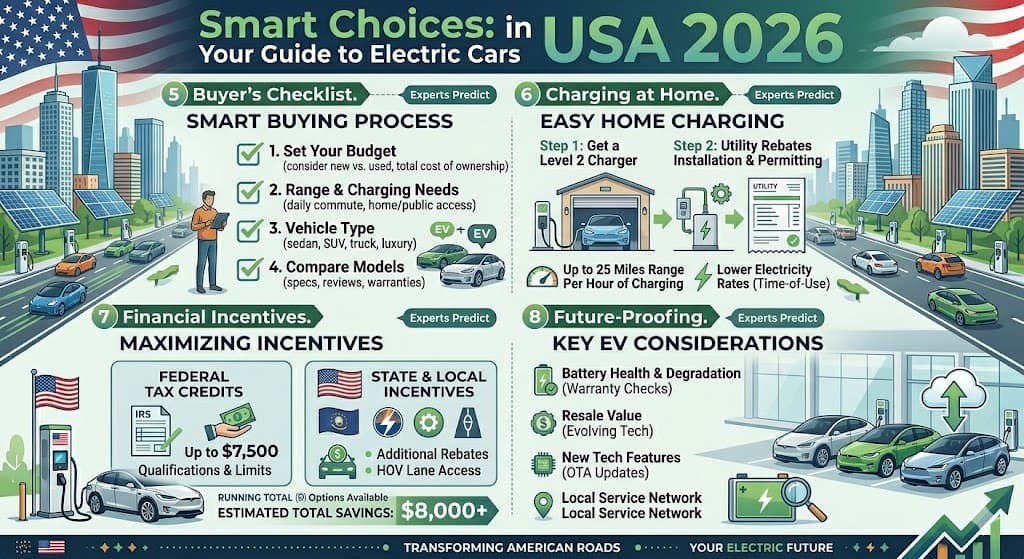
Purchasing an automobile electric car USA 2026 is an exciting journey. By being informed and strategic, you can make a decision that brings both environmental benefits and personal satisfaction. Here’s a quick checklist to guide your purchase:
- Define Your Needs: How much range do you truly need? What’s your daily commute? What kind of charging access do you have?
- New or Used? Weigh the benefits of a cutting-edge new model against the significant value proposition of a depreciated used EV.
- Budget Smartly: Account for the sticker price, potential tax credits, charging infrastructure, and ongoing subscription costs.
- Research Thoroughly: Compare models, read reviews (especially for battery health on used EVs), and understand warranty terms.
- Engage with Dealers Wisely: Leverage transparency tools, negotiate confidently, and prioritize a dealership that offers excellent customer service.
- Stay Informed: Keep an eye on market trends, new model announcements, and evolving incentives.
The electric car market in 2026 is ripe with opportunity for the prepared consumer. By following these practical tips, you can confidently navigate the choices and drive away in an EV that perfectly suits your needs and budget.