

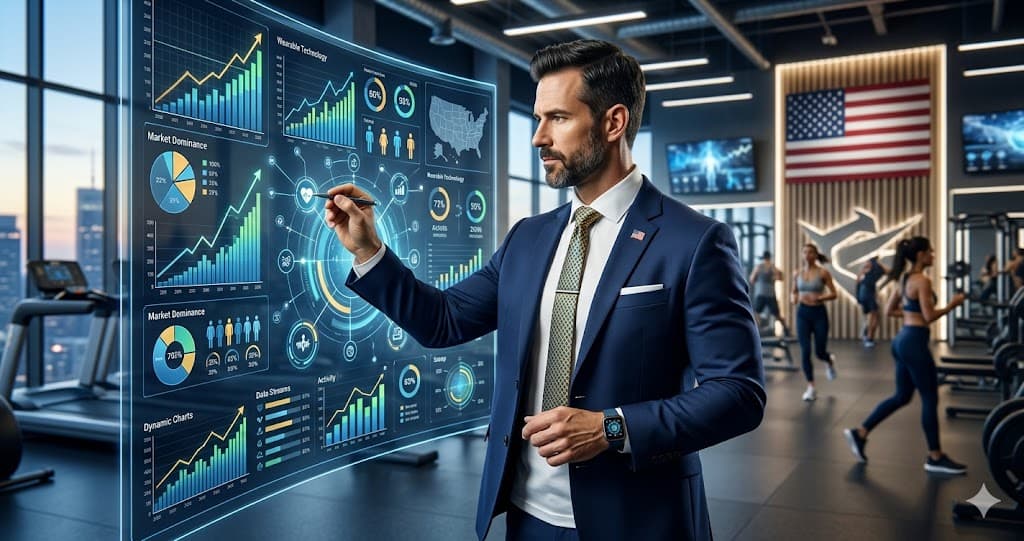
As we navigate the mid-2020s, the landscape of health fitness USA 2026 is rapidly evolving, driven by technological innovation, a deepening understanding of holistic well-being, and a renewed societal emphasis on preventative care. This year promises to be a pivotal moment, shaping how Americans approach physical activity, nutrition, and mental resilience. From elite athletic achievements that push the boundaries of human potential to mainstream adoption of personalized wellness technologies, 2026 is poised to redefine what it means to be healthy and fit across the nation. We anticipate a future where health is not merely the absence of disease, but a proactive pursuit of optimal living, deeply integrated into daily routines and supported by an ecosystem of advanced tools and community-driven initiatives.
Elite Performance as a Bellwether: The Ilia Malinin Phenomenon in 2026
While the broader health and fitness trends for the general populace are a primary focus, it’s often the pinnacles of human achievement that offer a glimpse into the future of training methodologies and peak physical condition. In March 2026, the world witnessed one such spectacle: U.S. figure skater Ilia Malinin, famously dubbed the “Quad God,” vying for his third world title at the ISU World Figure Skating Championships in Prague. His formidable performance, entering Saturday’s competition with a substantial lead after a personal best in the Men’s Short Program, underscores the extreme dedication, precision, and advanced physical conditioning required at the elite level. Malinin’s journey is a testament to the relentless pursuit of perfection, showcasing a blend of strength, agility, and mental fortitude that sets a benchmark for what’s possible in human athleticism in 2026.
The Quad God’s Reign and Its Implications
Ilia Malinin’s consistent dominance in figure skating, particularly his mastery of the quadruple axel, is not just a personal triumph but a reflection of sophisticated training regimens. His success in 2026 highlights the ongoing advancements in sports science, biomechanics, and athlete development programs within the United States. These programs, often pioneered for elite athletes, eventually influence broader fitness practices. The meticulous attention to detail in Malinin’s preparation – from specialized nutrition to advanced recovery techniques and psychological conditioning – foreshadows trends that will increasingly permeate the general health and fitness sector. His ability to perform under immense pressure, maintaining physical and mental equilibrium, speaks volumes about the integrated approach to wellness that is becoming paramount.
Beyond the Podium: What Elite Fitness Signifies
The achievements of athletes like Malinin serve as powerful motivators and living laboratories. They demonstrate the critical interplay between physical conditioning, mental resilience, and cutting-edge support systems. In 2026, the lessons learned from elite sports are expected to continue trickling down, inspiring a greater focus on personalized training, data-driven performance tracking, and holistic well-being for everyday Americans. This includes sophisticated strength and conditioning, injury prevention strategies, and psychological coaching that helps individuals manage stress and maintain motivation – elements crucial for both competitive athletes and those pursuing their personal health goals.
The Dawn of Hyper-Personalized Wellness in the USA
One of the most significant shifts anticipated in health fitness USA 2026 is the widespread adoption of hyper-personalized wellness strategies. Gone are the days of one-size-fits-all fitness plans. Instead, individuals will benefit from bespoke recommendations tailored to their unique biological, psychological, and lifestyle profiles.
AI and Wearables: Your Personal Health Navigator
By 2026, advanced wearables will transcend simple step counting, evolving into sophisticated health navigators. These devices, seamlessly integrated with AI-powered platforms, will offer real-time insights into a vast array of physiological markers:
- Continuous Biometric Monitoring: Beyond heart rate and sleep, expect widespread consumer access to continuous glucose monitoring (CGM) for non-diabetics, advanced stress level detection through heart rate variability, and even early indicators of illness via subtle changes in body temperature and oxygen saturation.
- Predictive Analytics: AI algorithms will analyze vast datasets from individual wearables, smart home devices, and even environmental sensors to predict potential health issues before they manifest. This allows for proactive interventions, whether it’s adjusting a workout schedule to prevent overtraining or recommending stress-reduction techniques during periods of high mental load.
- Dynamic Coaching: Virtual AI coaches will provide dynamic workout adjustments, nutritional guidance, and recovery protocols that adapt in real-time to an individual’s performance, recovery status, and even mood. These digital companions will offer motivation, corrective feedback during exercises, and integrate seamlessly with smart gym equipment.
- Enhanced Accessibility: Wearable technology will also become more inclusive, with advancements in user interface and design making them accessible to a wider demographic, including individuals with disabilities, ensuring that personalized health insights are not exclusive to a select few.
Genetic Blueprints: Tailoring Nutrition and Exercise
The integration of genetic information into health and fitness planning will move beyond novelty to become a cornerstone of personalized wellness by 2026. Individuals will leverage their unique genetic blueprints to:
- Nutrigenomics-driven Diets: Dietary recommendations will be precisely calibrated based on an individual’s genetic predispositions for nutrient absorption, metabolism, and food sensitivities. This could mean precise macro and micronutrient ratios, identification of optimal food sources, and even personalized supplementation strategies to enhance performance and mitigate disease risk.
- Genetically Optimized Training: Workout plans will consider genetic factors influencing muscle fiber type distribution, endurance capacity, and recovery rates. This allows for training regimens that maximize an individual’s inherent strengths while minimizing the risk of injury, leading to more efficient and effective fitness journeys.
- Personalized Preventative Strategies: Genetic screening will offer insights into predispositions for certain health conditions, allowing for highly targeted preventative measures through diet, exercise, and lifestyle modifications, significantly impacting long-term health outcomes.
Mental Fortitude Meets Physical Prowess: Integrated Wellness
The artificial divide between physical and mental health will continue to dissolve, with health fitness USA 2026 embracing a truly integrated approach. Recognizing that mental well-being is foundational to physical health and performance, fitness programs will increasingly incorporate practices designed to foster psychological resilience and emotional balance.
The Rise of Mind-Body Practices
Traditional mind-body disciplines will see a resurgence and innovative integration into mainstream fitness. Yoga, meditation, and mindfulness practices will not be seen as separate activities but as essential components of a comprehensive fitness regimen. Studios and gyms across the USA will offer:
- Integrated Flow Classes: Blending high-intensity interval training (HIIT) with restorative yoga or dynamic stretching with guided meditation.
- Breathwork Workshops: Focused on improving respiratory function, stress reduction, and enhancing athletic performance.
- Mindful Movement Programs: Encouraging greater bodily awareness, reducing the risk of injury, and improving mental clarity during physical activity.
The emphasis will be on cultivating a deeper connection between mind and body, recognizing that stress and mental fatigue can significantly hinder physical progress and overall well-being. This shift reflects a growing understanding that sustainable fitness is as much about mental endurance and emotional regulation as it is about physical strength.
Digital Therapeutics and Mental Health Support
Technology will play a crucial role in making mental health support more accessible and seamlessly integrated with physical fitness routines. By 2026, we expect to see:
- AI-Powered Mental Wellness Apps: Offering personalized mindfulness exercises, cognitive behavioral therapy (CBT) techniques, and stress management tools that adapt based on user input and biometric data. These apps will often be integrated with fitness trackers, correlating physical activity with mood and sleep patterns.
- Virtual Reality (VR) for Relaxation and Focus: VR environments designed for meditation, guided imagery, or even immersive, calming nature experiences will become more common in wellness centers and homes, providing an escape from daily stressors.
- Tele-therapy and Coaching Integration: Fitness platforms will increasingly partner with licensed therapists and mental health coaches, offering accessible online sessions to support users’ emotional and psychological needs alongside their physical goals. This holistic approach ensures that individuals have comprehensive support for their entire well-being.
Community, Accessibility, and Inclusivity in American Fitness
The future of health fitness USA 2026 is also deeply rooted in fostering a sense of community and ensuring that wellness is accessible and inclusive for all segments of the population. The focus will shift from exclusive fitness clubs to broader, more welcoming environments.
Redefining Public Health Spaces
Public parks, community centers, and urban spaces will be reimagined as dynamic, holistic wellness hubs. Cities across the USA will invest in infrastructure that encourages physical activity and social interaction:
- Smart Parks: Equipped with interactive fitness stations, QR codes linking to workout routines, and sensors tracking air quality and noise levels to optimize outdoor exercise.
- Multi-Generational Wellness Centers: Offering diverse programs catering to children, adults, and seniors, promoting intergenerational activity and social cohesion.
- Urban Greenways and Bike Paths: Expanded networks designed for safe and enjoyable active commuting and recreational activities, fostering a culture of movement.
These spaces will become vital for building community resilience, offering free or low-cost access to health-promoting activities, and reducing reliance on traditional, often expensive, gym memberships.
Technology Bridging Gaps: Fitness for All
Technological advancements will be instrumental in making fitness more accessible and inclusive. Virtual platforms and adaptive technologies will cater to diverse needs:
- Virtual and Hybrid Fitness Models: The pandemic accelerated the adoption of online classes, and by 2026, hybrid models will be standard, allowing individuals to participate in live classes from home or access a vast library of on-demand workouts. This flexibility removes geographical barriers and accommodates varying schedules and comfort levels.
- Adaptive Equipment and Programs: Innovation in fitness equipment will focus on adaptability, catering to individuals with disabilities or specific physical limitations. Furthermore, specialized online and in-person programs will be designed by experts in adaptive fitness, ensuring that everyone has the opportunity to engage in physical activity.
- Culturally Competent Wellness: Fitness and nutrition programs will become more culturally sensitive, recognizing and celebrating the diverse backgrounds of Americans. This means offering a wider range of activities, dietary advice that respects cultural eating habits, and instructors who reflect the communities they serve.
Sustainable Practices and the Environment’s Role in Health
The growing awareness of environmental impact will increasingly influence health and fitness choices in the USA by 2026. Sustainable practices will become intertwined with personal well-being, reflecting a holistic view of health that extends beyond the individual to the planet.
Outdoor Fitness Boom Continues
The appeal of exercising outdoors, connecting with nature, and reducing carbon footprints associated with indoor facilities will continue to grow. This trend will manifest in:
- Eco-Friendly Gear: A surge in demand for athletic apparel and equipment made from recycled, sustainable, and ethically sourced materials. Brands will compete on their environmental credentials as much as their performance features.
- Nature-Based Workouts: Increased popularity of activities like trail running, open-water swimming, forest bathing, and wilderness expeditions, emphasizing both physical challenge and mental restoration through natural immersion.
- Community Clean-Up and Fitness Events: "Plogging" (jogging while picking up litter) and similar initiatives will gain traction, combining fitness with environmental stewardship.
The Green Diet: Plant-Based and Sustainable Nutrition
Dietary choices in 2026 will be heavily influenced by both personal health goals and environmental consciousness. The shift towards plant-based and sustainably sourced nutrition will accelerate:
- Mainstream Plant-Based Eating: Plant-based diets will move beyond niche status, with a wider array of accessible and affordable vegan and vegetarian options in grocery stores, restaurants, and institutional catering.
- Local and Regenerative Agriculture: Consumers will increasingly seek out locally grown, seasonally available produce from farms practicing regenerative agriculture, recognizing the benefits for both personal health and ecosystem vitality.
- Reduced Food Waste: Technology and behavioral nudges will help individuals and households minimize food waste, an often-overlooked aspect of sustainable nutrition.
The Business of Health: Innovation and Investment
The health and fitness sector in the USA in 2026 will be a hotbed of innovation and significant investment, attracting both established tech giants and nimble startups. The economic landscape will reflect the growing demand for personalized, preventative, and convenient wellness solutions.
Tech Giants and Startups: Driving the Fitness Revolution
Major technology companies will continue to deepen their involvement in health and fitness, integrating wellness features into their ecosystems, from smart home devices that monitor air quality and sleep to AI platforms that manage personal health records. Simultaneously, a vibrant ecosystem of startups will emerge, focusing on niche solutions:
- Biotech for Wellness: Startups leveraging advancements in biotechnology for personalized supplements, non-invasive diagnostic tools, and even longevity-focused interventions.
- Immersive Fitness Experiences: Companies developing cutting-edge VR/AR fitness games and platforms that make exercise more engaging and accessible.
- Data Security and Privacy: As personal health data becomes more central, companies specializing in secure data management and privacy-preserving analytics will gain prominence, building trust among users.
Shifting Healthcare Paradigms
The traditional healthcare model in the USA will continue its slow but steady pivot towards preventative care and wellness as a primary investment. Insurers and employers will increasingly recognize the long-term cost savings and productivity benefits of a healthy workforce and population:
- Incentivized Wellness Programs: Insurance providers will offer more robust incentives for policyholders who actively engage in health and fitness programs, track their biometrics, and demonstrate healthy lifestyle choices.
- Employer-Sponsored Wellness Hubs: Companies will invest more in on-site or virtual wellness programs, offering everything from subsidized gym memberships and nutritionist consultations to mental health support and stress management workshops, understanding that employee well-being directly impacts performance and retention.
- Integration with Primary Care: Physicians will increasingly incorporate data from wearables and wellness apps into patient consultations, using these insights to provide more informed and personalized health advice.
Challenges and Opportunities on the Horizon for 2026
While the future of health fitness USA 2026 is bright with innovation, it is not without its challenges. Addressing these will be crucial for realizing the full potential of a healthier nation.
Addressing Health Disparities
A primary challenge will be ensuring equitable access to these emerging technologies and wellness trends. The digital divide and socioeconomic factors could exacerbate existing health disparities if not proactively addressed. Opportunities lie in:
- Public-Private Partnerships: Collaborations to subsidize access to wellness technology and programs in underserved communities.
- Community-Led Initiatives: Empowering local leaders to develop culturally relevant and accessible health and fitness solutions.
- Policy Advocacy: Government policies promoting health equity through urban planning, food access, and digital literacy.
Data Privacy and Ethical Considerations
As personal health data becomes more pervasive and valuable, safeguarding privacy and navigating ethical considerations will be paramount. Robust regulatory frameworks and transparent data practices will be essential to build and maintain public trust. This presents opportunities for:
- Innovative Privacy Solutions: Development of secure, anonymized data platforms that allow for health insights without compromising individual privacy.
- Consumer Education: Empowering individuals to understand and control their health data.
- Ethical AI Development: Ensuring that AI algorithms used in health and fitness are unbiased and promote equitable outcomes.
Conclusion
The landscape of health fitness USA 2026 is poised for a transformative period, marked by personalization, integration, and an unwavering commitment to holistic well-being. From the inspiring feats of athletes like Ilia Malinin, who exemplify the pinnacle of human potential, to the widespread adoption of AI-driven wearables and genetic insights, the future of health in America is increasingly tailored, proactive, and interconnected. The emphasis will be on breaking down barriers – between physical and mental health, between individual and community well-being, and between personal health and planetary health. While challenges such as health disparities and data privacy remain, the opportunities for innovation and collective improvement are immense. By embracing these advancements and addressing inequalities, the USA in 2026 can foster a healthier, more resilient, and more vibrant population, where optimal well-being is not just an aspiration, but an achievable reality for all.


