

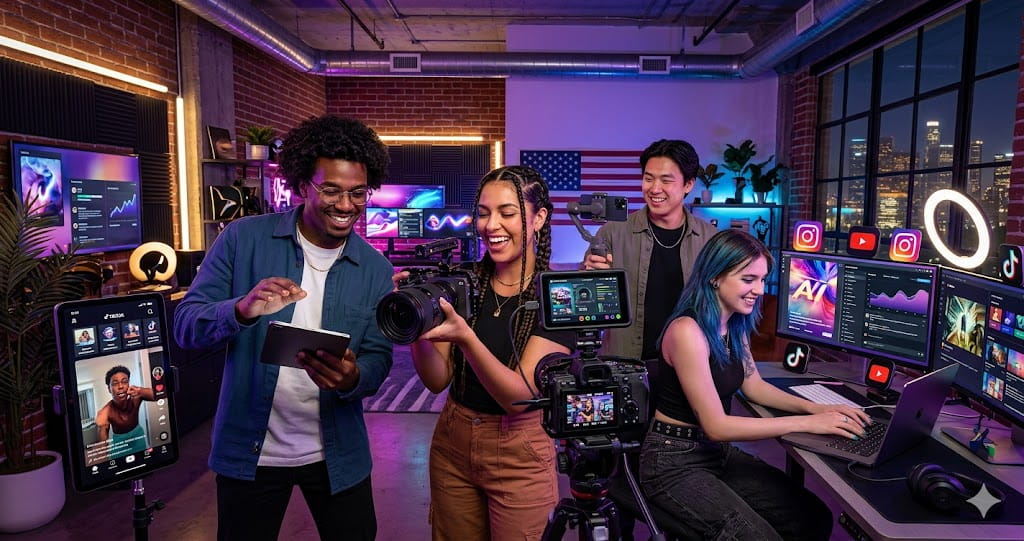
The landscape of digital marketing USA 2026 is undergoing a profound transformation, driven by evolving consumer behaviors, rapid technological advancements, and a sharpened focus on authenticity. As brands strive to connect with increasingly discerning audiences, particularly the digitally native Gen Z and the emerging Gen Alpha, strategies are shifting dramatically. This shift is not merely incremental; it represents a fundamental re-evaluation of how marketers allocate resources, engage with communities, and leverage cutting-edge tools to achieve their objectives. The current year sees an intensified focus on strategic media spend across social platforms, the pervasive integration of artificial intelligence, and sophisticated e-commerce strategies, all underpinned by the dynamic influence of creators and a renewed emphasis on purpose-driven initiatives.
At the heart of this evolution is the imperative for brands to not only understand but proactively anticipate the preferences and values of these younger generations. The traditional marketing funnel has been fractured, replaced by a more fluid, interactive journey where trust, relevance, and experience reign supreme. This necessitates a holistic approach, where every touchpoint, from a social media post to an AI-powered personalized recommendation, contributes to a cohesive and impactful brand narrative. The insights gathered from industry leaders and recent developments paint a clear picture: adaptability and innovation are no longer optional but essential for success in the competitive digital arena.
Targeting Tomorrow: Gen Z and Gen Alpha at the Forefront of US Digital Marketing
In 2026, the strategic pivot towards Gen Z and Gen Alpha is arguably the most significant trend shaping digital marketing in the USA. These demographics, having grown up immersed in digital environments, possess unique expectations and consumption habits that demand a tailored approach. Brands are actively recalibrating their marketing playbooks to resonate with these audiences, understanding that a one-size-fits-all strategy is no longer viable.
Understanding the Digital Natives: Gen Z and Gen Alpha’s Influence
Gen Z, born between the mid-1990s and early 2010s, and Gen Alpha, born from the early 2010s onwards, are distinct from previous generations in their relationship with technology, media, and commerce. They are not merely users of digital platforms; they are inhabitants of digital worlds. Their preferences for authenticity, transparency, and social responsibility heavily influence their purchasing decisions and brand loyalty. According to insights from Ad Age, the focus on these groups is not just about reach, but about deep, meaningful engagement that aligns with their values and digital fluency.
Strategic Media Spend: Social, AI, and Commerce Synergy
Brands are meticulously determining their media spend across social, AI, and commerce channels to effectively reach Gen Z and Gen Alpha. This involves a sophisticated allocation strategy that recognizes the interconnectedness of these platforms:
- Social Media: For Gen Z and Gen Alpha, social platforms are not just for communication; they are discovery engines, entertainment hubs, and shopping malls. Brands are investing in platforms like TikTok, Instagram, and emerging alternatives, focusing on short-form video, interactive content, and community building. The emphasis is on native content that feels organic and authentic, rather than overtly promotional.
- AI Integration: Artificial intelligence plays a crucial role in personalizing experiences and optimizing ad delivery. AI algorithms are used to analyze vast amounts of data, predict consumer behavior, and tailor content and recommendations, ensuring relevance and maximizing engagement with these digital-first generations.
- Commerce Integration: Social commerce, live shopping, and seamless in-app purchasing experiences are paramount. Brands are investing in frictionless paths to purchase directly from social feeds or through AI-powered recommendation engines, catering to the instant gratification sought by younger consumers. This integration blurs the lines between discovery, engagement, and transaction, creating a holistic digital journey.
The Ad Age ‘Gen Z and Gen Alpha Marketing Playbook’ underscores the critical need for marketers to understand these dynamics, providing a framework for developing effective strategies that speak directly to the preferences of these powerful consumer groups.
The AI Revolution: Driving Innovation in Digital Marketing Strategies
The integration of Artificial Intelligence (AI) is no longer an emerging trend but a prominent and foundational element of digital marketing strategies across the USA in 2026. AI is transforming every facet of the marketing lifecycle, from content creation and personalization to campaign optimization and performance measurement. Its rapid evolution and increasing accessibility are empowering marketers to achieve unprecedented levels of efficiency and effectiveness.
PMG’s Cannes Lions Activation: A Blueprint for AI in Action
A prime example of AI’s prominence is PMG’s AI-focused activation at Cannes Lions, as highlighted by Ad Age. PMG took over WPP’s Cannes beach space to debut an initiative centered on AI and technology through immersive programming and experiences, including hackathons. This event signifies a clear industry commitment to exploring and implementing AI-driven solutions, moving beyond theoretical discussions to practical, hands-on application.
- Programming and Experiences: Such events demonstrate that AI is not just about backend algorithms; it’s about creating interactive and educational experiences that showcase its potential.
- Hackathons: These intensive collaborative sessions are crucial for rapid prototyping and developing innovative AI applications for marketing challenges, fostering a culture of experimentation and cutting-edge development.
This initiative underscores that leading agencies and brands are not merely adopting AI; they are actively shaping its future in the marketing domain, investing significantly in its development and practical implementation.
Beyond Personalization: AI’s Broader Impact
AI’s influence extends far beyond mere personalization, though that remains a core strength. In 2026, AI is critically impacting:
- Content Creation and Optimization: AI tools are assisting in generating ad copy, social media posts, and even video scripts, significantly speeding up content production. Furthermore, AI analyzes content performance to suggest optimizations, ensuring maximum impact. Ad Age’s ‘AI ad of the week’ featuring a production company lampooning creative marketing with an original song demonstrates the creative, and sometimes self-aware, applications of AI in content.
- Data Analysis and Insights: AI processes vast datasets faster and more accurately than humans, identifying patterns, trends, and actionable insights that inform strategic decisions and media spend allocation. This predictive capability allows brands to anticipate market shifts and consumer needs.
- Automated Campaign Management: From bidding on ad exchanges to optimizing ad placements across various platforms, AI automates complex campaign management tasks, freeing up marketers to focus on higher-level strategy.
- Customer Service and Engagement: AI-powered chatbots and virtual assistants provide instant support, enhancing customer experience and gathering valuable data on consumer queries and preferences.
The pervasive nature of AI means that marketers who fail to integrate it into their strategies risk falling behind. It is fundamentally reshaping how brands interact with their audiences and manage their digital presence.
The Power of Influence: Creator and Influencer Trends
In 2026, the role of creators and influencers remains pivotal in digital marketing, especially for brands targeting Gen Z and Gen Alpha. These figures have evolved from mere product endorsers to trusted content producers and community leaders, wielding significant power over purchasing decisions and brand perception. Staying abreast of the latest creator and influencer trends is a non-negotiable for marketers in the USA.
Evolving Dynamics of Influencer Marketing
The landscape of influencer marketing is dynamic and constantly shifting. As highlighted by Ad Age’s article, ‘Creator and influencer trends brand marketers need to know about right now,’ the focus has moved beyond mega-influencers to a more diversified approach:
- Micro and Nano-Influencers: Brands are increasingly recognizing the value of micro and nano-influencers who, despite smaller followings, boast higher engagement rates and more authentic connections with niche communities. Their recommendations often carry more weight due to perceived relatability and trust.
- Authenticity and Transparency: Gen Z and Gen Alpha place a high premium on authenticity. Influencers who genuinely believe in and use the products they promote, and who are transparent about sponsored content, tend to perform better. Performative endorsements are quickly identified and dismissed.
- Long-Term Partnerships: Instead of one-off campaigns, brands are investing in longer-term relationships with creators. This fosters deeper brand integration, more consistent messaging, and a sense of genuine partnership that resonates with audiences.
- Platform-Specific Content: Creators are masters of tailoring content to specific platforms. Marketers need to understand these nuances, collaborating with influencers who can produce engaging, native content for TikTok, YouTube, Instagram, and other relevant channels.
Creators as Content Powerhouses
Creators are more than just distributors of brand messages; they are skilled content producers. Their ability to generate high-quality, engaging video, imagery, and text is invaluable. This is particularly true in an era where attention spans are short and content saturation is high. Brands are increasingly leveraging creators not just for their audience, but for their creative prowess in developing compelling narratives that align with brand values.
The interplay between AI and creators is also becoming more pronounced. While AI can assist in identifying the right creators and optimizing campaign performance, the human touch of creativity and genuine connection remains irreplaceable. The challenge for marketers is to find the right balance, using technology to enhance, rather than replace, the organic appeal of creator content.
Purpose-Driven Marketing: Beyond Profits in the Digital Age
In 2026, purpose-driven marketing continues to be a significant area of focus for brands operating in the USA. Consumers, particularly younger generations, are increasingly demanding that companies stand for something more than just profit. They expect brands to align with their values, demonstrate social responsibility, and contribute positively to society. This isn’t just about good PR; it’s a fundamental driver of consumer choice and brand loyalty.
The Imperative of Authenticity in Purpose
The key to effective purpose-driven marketing lies in authenticity. Consumers are adept at spotting ‘purpose-washing’—where brands make superficial claims without genuine commitment or action. Ad Age’s featured story on ‘Grading 6 purpose marketing ads—what separates effective from performative’ highlights this critical distinction. Truly effective purpose-driven campaigns are:
- Rooted in Core Values: The brand’s purpose should be integrated into its DNA, not an add-on. It needs to reflect the company’s mission and operations.
- Action-Oriented: Mere statements are insufficient. Brands must demonstrate tangible actions and investments that support their stated purpose, whether through sustainable practices, ethical sourcing, community initiatives, or advocacy.
- Transparent and Accountable: Brands need to be open about their efforts, challenges, and progress. Consumers appreciate honesty and genuine attempts to make a difference, even if the journey is imperfect.
- Relevant to the Brand: The purpose should ideally connect logically to the brand’s industry, products, or services, making the commitment feel more natural and credible.
For digital marketing, purpose-driven initiatives translate into compelling storytelling across social media, collaborations with purpose-aligned creators, and transparent communication about a brand’s social and environmental impact. This approach fosters deeper emotional connections with consumers, leading to increased engagement and advocacy.
Leveraging Technology for Effective Advertising in 2026
Beyond AI, the effective use of technology in advertising remains a critical component of digital marketing success in the USA. This encompasses a broad spectrum of tools and platforms that enable precision targeting, enhanced user experiences, and robust performance measurement. The rapid pace of technological innovation demands continuous adaptation from marketers.
Advanced Analytics and Attribution
Modern digital marketing relies heavily on sophisticated analytics to understand campaign performance and consumer behavior. In 2026, marketers are leveraging advanced analytics tools, often powered by AI, to:
- Multi-Touch Attribution: Moving beyond last-click attribution, brands are using more complex models to understand the cumulative impact of various touchpoints across the customer journey, from initial discovery to final conversion.
- Predictive Analytics: Technology enables the prediction of future trends and consumer actions, allowing for proactive strategy adjustments and optimized media spend.
- Real-time Optimization: Ad platforms and marketing automation tools provide real-time data, allowing marketers to make immediate adjustments to campaigns, improving ROI and responsiveness.
Immersive Experiences and Emerging Technologies
While still in various stages of adoption, emerging technologies are beginning to play a role in creating more immersive and engaging advertising experiences:
- Augmented Reality (AR): AR filters on social media, virtual try-ons for e-commerce, and interactive ad formats are becoming more common, offering consumers novel ways to interact with products and brands.
- Virtual Reality (VR): Though niche, VR is being explored for deeper brand experiences, virtual showrooms, and immersive storytelling, particularly in sectors like travel, automotive, and real estate.
- Voice Search Optimization: With the proliferation of smart speakers and voice assistants, optimizing content for voice search is becoming increasingly important for discoverability.
The constant evolution of technology means that marketers must remain agile, continuously evaluating new tools and platforms to ensure their strategies remain cutting-edge and effective in reaching and engaging target audiences.
The Current State of Digital Marketing in the USA: A Confluence of Trends
In 2026, the digital marketing landscape in the USA is characterized by a dynamic interplay of these interconnected trends. It’s a period of intense innovation and strategic realignment, driven by the demands of a new generation of consumers and the transformative power of technology.
Navigating Complexity with Data and Agility
Brands are currently navigating a complex environment where consumer attention is fragmented, privacy concerns are paramount, and the pace of change is relentless. Success hinges on a data-driven approach, leveraging AI and advanced analytics to gain actionable insights into consumer behavior and campaign performance. Agility is also crucial, enabling marketers to quickly adapt strategies in response to real-time data and emerging trends.
Building Authentic Connections in a Digital World
Ultimately, the core objective of digital marketing in 2026 remains the same: to build authentic and lasting connections between brands and consumers. Whether through purpose-driven campaigns, engaging creator collaborations, or personalized AI-powered experiences, the emphasis is on delivering value, fostering trust, and resonating with the values of the target audience. The current situation demands that marketers not only understand the tools and platforms but also the human psychology and cultural nuances that drive engagement.
The current state of digital marketing in the USA in 2026 is one of exciting challenges and immense opportunities. Brands that embrace these shifts, invest in the right technologies, and authentically connect with the rising generations will be best positioned for sustained growth and influence in the evolving digital economy. The integration of Gen Z and Gen Alpha strategies, the pervasive application of AI, the strategic use of influencers, and a commitment to purpose are not merely trends; they are the foundational pillars of effective digital marketing today.