
Digital Marketing USA 2026: The AI-Driven Future Unveiled
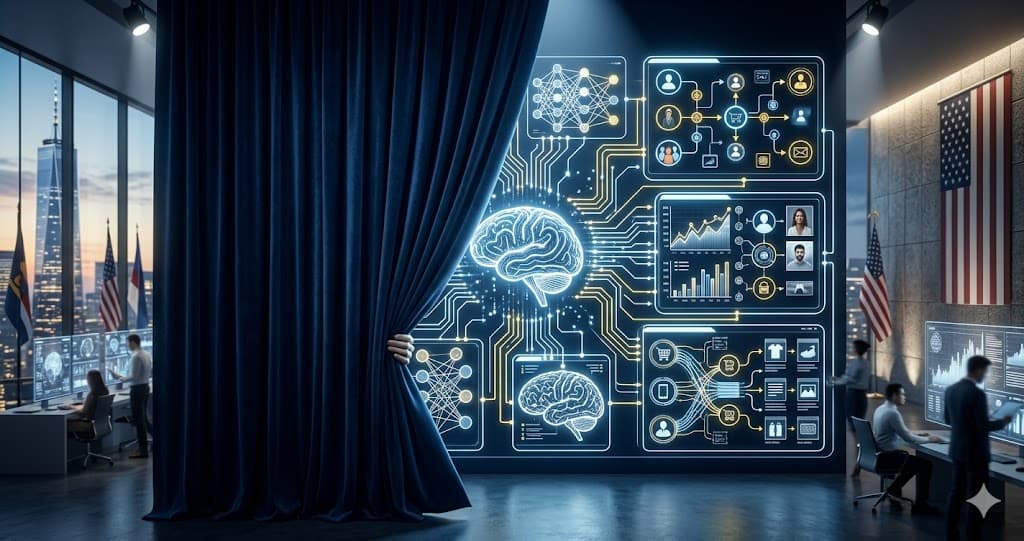
As we look ahead to digital marketing USA 2026, the landscape is not just evolving; it’s undergoing a profound transformation, primarily driven by the relentless advancement of artificial intelligence. The coming years promise an era where marketing strategies are more integrated, personalized, and responsive than ever before. Expert analyses and industry predictions point towards a future defined by intelligent automation, strategic consolidation, and a radical rethinking of how brands connect with consumers in an increasingly AI-mediated world. This post delves into the critical shifts and expert insights shaping the future of digital marketing in the United States, offering a glimpse into the strategic imperatives for brands and agencies alike.
The AI Imperative in Content Marketing: Quality Over Quantity in 2026
The advent of ubiquitous AI has fundamentally altered the content marketing paradigm. While AI tools make content production cheaper and faster in a utilitarian sense, they have also flooded the internet with a deluge of relatively low-value material. In 2026, the critical distinction for AI-generated marketing content lies in its ability to attract organic traffic from diverse sources—search engines, large language models (LLMs), and dynamic feeds like Google Discover. This isn’t merely about creating content; it’s about crafting intelligent content that resonates and ranks.
The primary role of content marketing, historically and moving forward, remains attraction, engagement, and retention. For many businesses, particularly in e-commerce, attraction forms the top of the funnel, generating visits and prospects. However, the rise of AI has introduced a double-edged sword. While it democratizes content creation, it simultaneously intensifies competition for organic visibility. Marketers must move beyond simply generating text and instead focus on producing high-quality, strategically optimized content that stands out amidst the noise. This involves:
- **Strategic AI Integration:** Using AI not just for generation, but for ideation, audience analysis, and performance prediction.
- **Human Oversight:** Ensuring AI-generated content is refined, fact-checked, and imbued with unique brand voice and perspective.
- **Multi-Platform Optimization:** Crafting content that performs well across traditional search, AI chat interfaces, and discovery feeds.
The February 2026 Google algorithm update, which focused heavily on Google Discover, serves as a stark reminder of this shift. As DiscoverSnoop reported, several large websites experienced significant losses in exposure following the rollout, highlighting the necessity for marketers to understand and adapt to these evolving platform algorithms. The future of content marketing in 2026 is not about avoiding AI, but mastering its strategic application to produce genuinely valuable and discoverable content.
The Evolving Search Landscape: Beyond Traditional SEO
The consumer search journey in 2026 is radically different from previous years. AI has profoundly impacted how users initiate and conclude their information-seeking processes, ushering in an era where traditional SEO tactics alone are insufficient. We are witnessing a significant increase in “zero-click” search results, where users find answers directly within the search engine results page (SERP) without needing to click through to a website. Furthermore, AI chat interfaces are becoming primary touchpoints for many customers, serving as both the starting and ending points of their searches.
This transformation demands a new framework for SEO. Marketers must broaden their focus beyond traditional keyword rankings to encompass optimization for direct answers, featured snippets, and conversational AI interactions. The challenge is to ensure brand visibility and authority even when users don’t directly visit a website. This involves:
- **Semantic Optimization:** Focusing on intent and context rather than just keywords, anticipating conversational queries.
- **Structured Data Mastery:** Implementing rich schema markup to help search engines and AI understand content more deeply, improving chances for featured snippets and direct answers.
- **AI Chat Optimization:** Understanding how LLMs source information and optimizing content to be easily digestible and authoritative for AI-driven responses.
- **Discovery Feed Strategy:** Actively optimizing for platforms like Google Discover and Perplexity Discover, which are becoming significant traffic generators.
The data from 2026 clearly indicates that businesses must adapt their SEO strategies to acknowledge these shifts. The goal is no longer just to rank high, but to be the definitive source of information, regardless of whether a click occurs. This requires a deep understanding of AI’s capabilities and its influence on user behavior, allowing marketers to strategically position their content to capture attention in this new, dynamic search environment.
Consolidation of Media: A Unified Strategy for 2026
A significant trend predicted for 2026 is the consolidation of retail and brand media under a single agency. This strategic shift is not merely about cost-cutting; it’s a recognition that modern consumer journeys are seamless, blurring the lines between awareness, consideration, and purchase. Brands are increasingly seeking comprehensive strategies that effectively combine commerce and media, demanding a unified approach from their agency partners.
Historically, brand awareness campaigns and performance-driven retail media often operated in silos. However, the interconnectedness of digital touchpoints, amplified by AI’s ability to analyze cross-channel data, makes a fragmented approach inefficient. By consolidating these functions, brands aim to:
- **Harmonize Messaging:** Ensure consistent brand voice and value propositions across all consumer interactions, from initial exposure to final transaction.
- **Optimize Budgets:** Gain a holistic view of media spend, allowing for more efficient allocation and integrated ROI tracking.
- **Leverage Data Synergies:** Combine insights from brand engagement and retail performance to create more effective, data-driven campaigns.
- **Streamline Operations:** Reduce complexity and improve collaboration between internal teams and external agency partners.
This trend underscores a broader movement towards integrated marketing ecosystems where every touchpoint, whether an ad on a connected TV or a product listing on an e-commerce platform, works in concert. Agencies that can offer a truly unified strategy, capable of navigating both the creative demands of brand building and the granular analytics of retail performance, will be the most sought-after partners in 2026. This consolidation reflects a mature understanding that every media impression is a commerce opportunity, and every commerce interaction reinforces brand perception.
AI in Media Buying and Advertising: Smarter, Faster, More Targeted
The 2026 NewFronts offered a clear preview of AI’s transformative impact on media buying and advertising. Platforms like Google and Meta are at the forefront, integrating advanced AI capabilities to enhance targeting, automation, and creative optimization. Google, for instance, showcased Gemini AI within Display & Video 360, promising more intelligent campaign management and performance. Meta, not to be outdone, revealed further advancements in automation and deeper commerce hooks, signaling a future where advertising is inextricably linked to direct transactional outcomes.
The shift is towards highly personalized, data-driven ad delivery that minimizes waste and maximizes relevance. Key developments include:
- **Automated Campaign Optimization:** AI algorithms are taking over more of the real-time adjustments for bids, targeting, and ad placements, freeing up human strategists for higher-level planning.
- **Enhanced Personalization:** AI’s ability to process vast datasets allows for hyper-segmentation and dynamic creative optimization, delivering the right message to the right person at the right time.
- **Commerce-Centric Advertising:** The integration of commerce hooks directly into ad experiences, as seen with Walmart and Vizio discussing shopping on connected TVs, blurs the line between advertising and direct sales. Apple’s announcement of ads coming to Maps further exemplifies this trend, turning utility platforms into advertising real estate.
- **Predictive Analytics:** AI is increasingly used to forecast campaign performance, identify emerging trends, and anticipate consumer behavior, allowing marketers to be proactive rather than reactive.
This era of AI-powered media buying demands that advertisers possess not only a deep understanding of their audience but also a sophisticated grasp of the AI tools available. The focus is on leveraging these technologies to achieve greater efficiency, precision, and ultimately, a higher return on ad spend in a fragmented and increasingly competitive digital landscape.
The Dynamic AI Tool Ecosystem: Adapt or Be Left Behind
The rapid pace of innovation in AI tools for marketing is both exhilarating and challenging. The year 2026 is characterized by a dynamic ecosystem where new solutions emerge frequently, and existing ones evolve or even become obsolete at an astonishing rate. The case of Sora, a promising AI tool that quickly lost marketers to rival solutions, serves as a potent reminder of this volatility. OpenAI’s discontinuation of Sora further underscores the need for agility and continuous evaluation in adopting AI technologies.
For US marketers, this means cultivating a strategy of continuous learning and adaptation. Investing heavily in a single AI platform without considering its long-term viability or the emergence of superior alternatives can be a costly mistake. Instead, the focus should be on building a flexible tech stack that can integrate diverse AI capabilities and adapt to changing needs. This involves:
- **Vendor Agnosticism:** Evaluating tools based on their specific utility and integration capabilities rather than brand loyalty.
- **Pilot Programs:** Experimenting with new AI tools on a smaller scale to assess their effectiveness and scalability before full deployment.
- **Continuous Training:** Ensuring marketing teams are up-to-date with the latest AI advancements and how to effectively leverage them.
- **Focus on Outcomes:** Prioritizing AI tools that deliver tangible business results, whether in content generation, customer service, data analysis, or ad optimization.
Brands like Gap are already demonstrating this adaptability, launching AI-assisted checkout systems that streamline the customer experience. This proactive adoption of emerging technologies, coupled with a willingness to pivot away from underperforming solutions, will be a hallmark of successful digital marketing operations in 2026. The key is to view AI not as a static solution but as a constantly evolving partner in achieving marketing objectives.
Strategic Implications for US Marketers in 2026
Navigating the complex digital marketing landscape of 2026 in the USA requires more than just adopting new technologies; it demands a fundamental shift in strategic thinking. The insights from the NewFronts, the evolution of content marketing, and the consolidation of media all point towards an era where integrated strategies, AI fluency, and unparalleled adaptability are non-negotiable for success. Brands and agencies must move beyond siloed approaches and embrace a holistic view of the customer journey, from initial discovery to post-purchase engagement.
The strategic imperatives for US marketers in 2026 include:
- **Holistic Customer Understanding:** Leveraging AI to build deeper, more nuanced profiles of target audiences, encompassing their behaviors across all digital touchpoints.
- **Agile Strategy Development:** Implementing flexible marketing plans that can quickly adapt to algorithm changes, new AI tools, and shifts in consumer preferences.
- **Integrated Tech Stack:** Building a cohesive ecosystem of marketing technologies where AI tools communicate and share data seamlessly, avoiding fragmentation.
- **Ethical AI Deployment:** Ensuring that AI is used responsibly, transparently, and in ways that build trust with consumers, particularly concerning data privacy and personalized experiences.
- **Upskilling and Reskilling Teams:** Investing in the development of human talent to work effectively alongside AI, focusing on strategic thinking, creativity, and data interpretation.
The future of digital marketing in the US is not about AI replacing human marketers, but rather AI augmenting human capabilities, allowing for greater precision, efficiency, and creativity. Expert analysis suggests that success will hinge on those who can strategically orchestrate these advanced tools, maintain a human-centric approach, and continuously innovate in response to a rapidly changing digital environment.
The Road Ahead: Mastering the AI-Driven Digital Marketing Landscape
The predictions for digital marketing USA 2026 paint a clear picture: AI is no longer a futuristic concept but the foundational technology driving innovation across content, search, media buying, and agency structures. From the strategic consolidation of retail and brand media under single agencies to the profound impact of AI on consumer search behaviors and the rapid evolution of marketing tools, every facet of the industry is being reshaped.
For US brands and marketers, the call to action is clear: embrace these transformations proactively. This means not just adopting AI, but understanding its strategic implications, adapting to new search paradigms, fostering integrated agency partnerships, and cultivating an agile mindset to navigate the ever-evolving AI tool ecosystem. The future of digital marketing in the United States is bright for those who are prepared to innovate, integrate, and intelligently leverage the power of artificial intelligence to deliver unparalleled value and drive measurable results.
“