

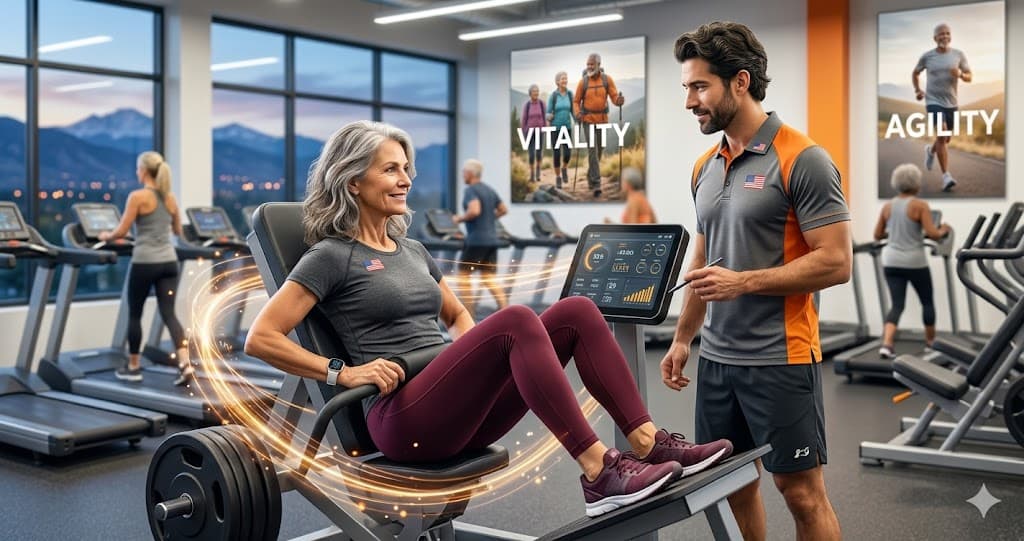
The Gluteus: Longevity’s Unsung Hero in Health Fitness USA 2026
As we look ahead to health fitness USA 2026, a surprising contender for the title of "champion of longevity" is emerging from the shadows of conventional wisdom: the gluteus. Often associated primarily with aesthetics or brute strength, the gluteal muscles are rapidly gaining recognition among health experts and researchers as a cornerstone of overall well-being, functional movement, and even cognitive health. This shift in understanding promises to redefine fitness strategies and healthcare recommendations across the United States in the coming years, moving beyond superficial metrics to a deeper appreciation of foundational muscle groups. By 2026, expect to see a profound integration of gluteal health into personalized fitness plans, preventative medicine, and public health campaigns nationwide, driven by compelling scientific evidence and a growing societal emphasis on healthy aging.
The implications of strong gluteals extend far beyond the gym. They are crucial for proper pelvic alignment, provide essential propulsion during walking and running—fundamental activities for daily life—and enable stability even for simple acts like standing on one leg. Furthermore, these powerhouse muscles offer vital support to the lower back during lifting tasks, a common source of injury, and play a significant role in preventing knee injuries, an issue affecting millions of Americans annually. But perhaps the most intriguing revelations, setting the stage for 2026, concern their influence on brain health as we age, and their systemic impact on metabolic function and inflammation. This expert analysis delves into how these insights will shape the future of health and fitness in the USA.
The Foundational Role: Movement, Stability, and Injury Prevention Redefined
By 2026, the understanding of gluteal function will have moved decisively into the mainstream of health education in the USA. Fitness professionals, physical therapists, and medical practitioners will increasingly emphasize the glutes not just for their power-generating capabilities but for their foundational role in musculoskeletal health. The complex interplay of the gluteus maximus, medius, and minimus is essential for maintaining a stable pelvis, which in turn affects the alignment of the entire kinetic chain, from the spine down to the feet. Prediction models for 2026 indicate a significant increase in preventative care strategies focusing on these muscles.
- Pelvic Alignment: Misalignment of the pelvis can lead to a cascade of issues, including lower back pain, hip discomfort, and altered gait mechanics. Strong glutes act as crucial stabilizers, ensuring the pelvis remains in optimal alignment, a factor increasingly recognized in addressing chronic pain conditions.
- Propulsion and Gait Efficiency: Efficient walking and running rely heavily on the gluteus maximus for hip extension. In 2026, expect to see more gait analysis technologies integrated into fitness assessments, highlighting gluteal activation patterns to improve movement efficiency and reduce injury risk for recreational walkers and elite athletes alike.
- Lower Back Support: The glutes work in synergy with core muscles to stabilize the lumbar spine. With a significant portion of the US population experiencing lower back pain, strengthening the glutes will be a primary recommendation for alleviating and preventing such discomfort, reducing reliance on more invasive treatments.
- Knee Injury Prevention: Weak glutes, particularly the gluteus medius, can lead to excessive inward collapse of the knees during movement (valgus collapse), a common precursor to conditions like patellofemoral pain syndrome and ACL tears. By 2026, glute-strengthening protocols will be a standard component of injury prevention programs in sports and general fitness across the US.
The professional sports landscape, as exemplified by events like the UFC Seattle predictions or the NBA picks for March 27, 2026, will continue to drive innovation in this area. Athletes, coaches, and sports medicine teams will be at the forefront of implementing advanced glute-focused training to enhance performance and extend careers, with these best practices inevitably trickling down to the general population.
The Brain-Body Nexus: Glutes and Cognitive Longevity in 2026
Perhaps the most groundbreaking revelation, poised to reshape our approach to healthy aging in the USA by 2026, is the direct link between glute strength and brain health. Emerging evidence suggests that stronger leg muscles, including the gluteals, act as powerful pumps that drive cerebral circulation during routine walking and other physical activities. This enhanced blood flow delivers a consistent and ample supply of oxygen and vital nutrients to neurons, supporting cognitive function and potentially mitigating age-related decline.
Neurological Resilience: A 2026 Imperative
Expert analysis for 2026 predicts that this brain-body connection will become a central theme in discussions about Alzheimer’s prevention, cognitive vitality, and overall neurological resilience. As the US population ages, the search for non-pharmacological interventions to maintain brain health intensifies. Gluteal training offers a simple yet profound strategy. By 2026, expect to see:
- Integrated Cognitive-Physical Programs: Fitness centers and senior community programs across the USA will increasingly offer specialized classes that combine cognitive challenges with glute-strengthening exercises, designed to maximize both physical and mental benefits.
- Healthcare Recommendations: Physicians may begin to "prescribe" glute-focused exercise routines as part of a holistic approach to brain health, particularly for individuals at risk of cognitive decline.
- Public Awareness Campaigns: Campaigns will highlight the "use your glutes, save your brain" message, encouraging Americans of all ages to prioritize lower body strength for long-term cognitive well-being.
This understanding represents a paradigm shift, moving beyond the idea of exercise solely for physical benefits to recognizing its profound impact on the most complex organ in the body. The casual walk, often underestimated, becomes a potent neuro-booster when powered by strong glutes.
Metabolic Health and Inflammation: Glutes as a Proactive Defense by 2026
Beyond movement and mind, the gluteals also play a critical role in systemic health, specifically in improving metabolic function and reducing chronic inflammation. Muscular activity, particularly in large muscle groups like the glutes, enhances insulin sensitivity. This means cells are more efficient at absorbing glucose from the bloodstream, leading to better blood sugar control, increased cell energy, and a significant reduction in the risk of metabolic disorders like type 2 diabetes.
Fighting Chronic Disease from the Core
Chronic inflammation is a silent perpetrator behind many modern diseases, including cardiovascular disease, certain cancers, and autoimmune conditions. Regular physical activity, especially strength training that engages major muscle groups, is a powerful anti-inflammatory agent. By 2026, health experts in the USA will increasingly position glute-focused training as a key strategy in the fight against these pervasive health challenges.
Predictions for 2026 suggest:
- Personalized Nutrition and Exercise Prescriptions: Integration of glute strength assessments into personalized health plans for individuals at risk of metabolic syndrome or chronic inflammatory conditions.
- Corporate Wellness Programs: US companies will invest more in wellness initiatives that include functional strength training, recognizing the link between employee health, productivity, and reduced healthcare costs.
- Therapeutic Exercise: Glute-strengthening exercises will be a standard component in rehabilitation programs for individuals recovering from inflammatory conditions or seeking to improve metabolic markers.
The emphasis on preventive health and a holistic approach to well-being will see the gluteals move from a "nice-to-have" to a "must-have" in every American’s fitness repertoire.
Emerging Trends in Glute-Centric Health & Fitness in USA 2026
The burgeoning understanding of gluteal importance will catalyze several key trends in the US health and fitness landscape by 2026.
Personalized Training & Technology
The era of generic workout plans is waning. By 2026, technology will enable highly personalized glute-centric training. AI-driven fitness apps will offer adaptive workout routines based on individual biomechanics, progress, and goals. Wearable technology will provide real-time feedback on glute activation, ensuring proper form and maximizing effectiveness. Virtual reality (VR) and augmented reality (AR) platforms will offer immersive training experiences, making glute exercises more engaging and accessible from home, a trend accelerated by recent advancements in digital platforms, akin to the growth seen in prediction markets or crypto platforms, but applied to health.
Healthcare Integration
The siloed approach to healthcare will continue to break down. Physical therapists, chiropractors, and even general practitioners in the USA will increasingly "prescribe" specific glute-strengthening exercises as a primary intervention for a wide array of musculoskeletal issues, chronic pain, and as a preventative measure for healthy aging. This integration will also extend to post-rehabilitation programs, ensuring sustained glute health.
Public Health Initiatives
Expect to see more public health campaigns in the USA promoting the importance of gluteal strength for all age groups. These initiatives will aim to counteract the effects of sedentary lifestyles, which weaken these crucial muscles, and educate Americans on simple, effective ways to incorporate glute activation into daily routines. Drawing inspiration from successful sports figures, such as those celebrated in headlines like "Dodgers sweep D-backs on Will Smith’s late 2-run HR" or "Grizzlies snap 5-game skid," public messaging will connect functional strength to peak performance and long-term vitality, making glute health aspirational and achievable.
Expert Analysis: What Leaders Are Saying for 2026
Leading health experts and futurists in the US predict a significant re-evaluation of fitness priorities. Dr. Anya Sharma, a renowned physiologist, suggests, "By 2026, the focus will squarely shift from isolated muscle aesthetics to functional, integrated strength. The glutes, as the nexus of lower body power and stability, will be at the forefront of this revolution. We’re moving towards a model where ‘strong glutes’ isn’t just about how you look, but how well you move, think, and resist disease."
Economically, the emphasis on glute health is also seen as a smart investment. Reduced rates of lower back pain, knee injuries, and metabolic diseases could lead to substantial savings in healthcare costs across the US. A report by the American College of Sports Medicine, projecting trends for 2026, highlights the "functional fitness movement" as a top priority, with a specific call-out for greater attention to foundational muscle groups like the gluteals.
Overcoming Challenges and Maximizing Opportunities in 2026
While the benefits are clear, challenges remain. Sedentary lifestyles, a prevalent issue in the USA, continue to "switch off" gluteal muscles. Misinformation and the pursuit of quick fixes in fitness can also hinder a true understanding of gluteal importance. However, 2026 presents immense opportunities:
- Accessibility: The rise of home fitness and community-based programs means glute-strengthening exercises can be performed almost anywhere, democratizing access to this vital health strategy.
- Education: Enhanced public education, leveraging digital platforms and healthcare touchpoints, will empower individuals with the knowledge and tools to prioritize glute health effectively.
- Innovation: Continued advancements in exercise science, equipment, and technology will make glute training more efficient, safer, and more enjoyable.
The collective effort to raise awareness and provide practical solutions will be crucial in harnessing the full potential of glute-centric health in the coming years.
Conclusion: A Stronger, Healthier Future for USA in 2026
As we anticipate health fitness USA 2026, the gluteus stands poised to receive its long-overdue recognition as a critical determinant of longevity and overall well-being. From ensuring proper movement and preventing injuries to bolstering brain health and fighting chronic disease, the impact of strong gluteals is profound and far-reaching. The future of health and fitness in the United States will increasingly embrace a holistic, evidence-based approach that prioritizes foundational strength. By proactively integrating glute-focused training into daily life, Americans can look forward to a future of greater vitality, resilience, and a significantly enhanced quality of life. The unheralded champion is finally stepping into the spotlight, promising a stronger, healthier nation.


