

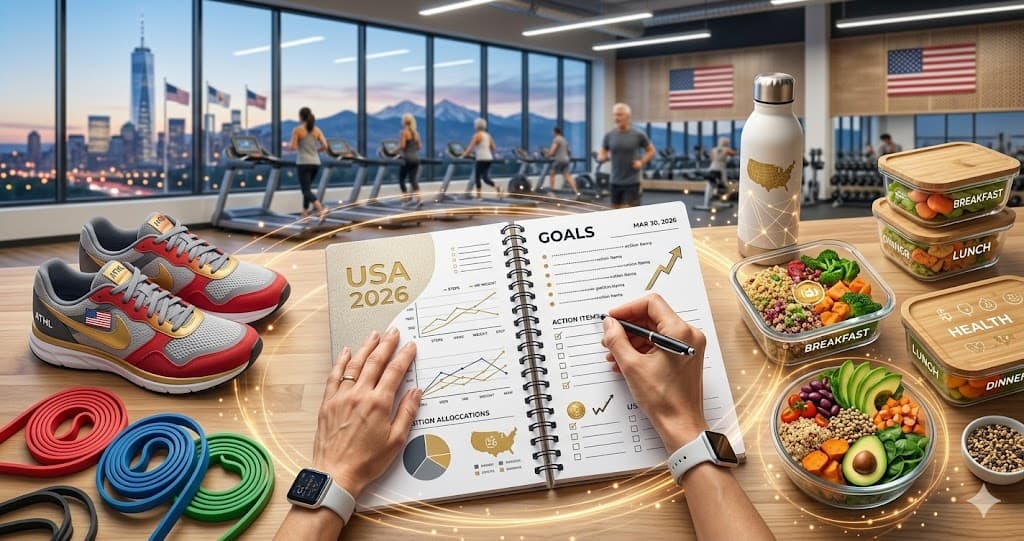
Embracing a Healthier Future: Your Guide to Health Fitness USA 2026
As we navigate through 2026, the commitment to personal well-being has never been stronger across the United States. The landscape of health fitness USA 2026 is defined by a collective resolve to live better, with a significant majority of Americans actively engaging in habits that promote longevity and vitality. This isn’t just a fleeting trend; it’s a profound shift in consumer priorities, with wellness now integrated into daily decisions from what we eat to how we choose to relax. This comprehensive guide offers practical, actionable strategies for every American looking to optimize their health and fitness journey, leveraging the latest insights and trends.
Data from EY reveals a compelling picture of this national movement: a remarkable 66% of Americans are exercising more, 64% are making healthier food choices, and 52% are prioritizing sleep like never before. This widespread dedication to health and wellness forms the bedrock of a movement that has been gaining momentum for over a decade. Indeed, a staggering 97% of U.S. consumers have taken at least some steps towards improving their health and wellness in the last two years. The question for many now shifts from ‘if’ to ‘how’ – how can these intentions translate into sustainable, impactful lifestyle changes?
The Cornerstones of Wellness: Movement, Nourishment, and Rest
Building a robust foundation for health in 2026 begins with three critical pillars: consistent physical activity, nutritious eating, and adequate restorative sleep. While the statistics show a strong national inclination towards these practices, truly integrating them into a busy American life requires deliberate strategy and smart choices.
Making Exercise a Non-Negotiable Part of Your Day
The fact that 66% of Americans are exercising more is a testament to a growing understanding of physical activity’s importance. But ‘exercising more’ can mean different things to different people. For optimal health benefits, a balanced approach is key.
- Find Your Joy in Movement: The most effective exercise routine is one you can stick with. Whether it’s brisk walking, cycling, swimming, dancing, hiking, or team sports, identify activities that you genuinely enjoy. This significantly increases adherence and makes exercise feel less like a chore and more like a reward.
- Integrate Incidental Movement: Beyond structured workouts, look for opportunities to move throughout your day. Take the stairs instead of the elevator, park further away, walk during phone calls, or stand up and stretch every hour. These small bursts of activity accumulate and contribute significantly to your overall physical health.
- Embrace Variety: Incorporate a mix of cardiovascular exercises (for heart health), strength training (for muscle and bone health), and flexibility/balance exercises (like yoga or Pilates for mobility and injury prevention). This holistic approach ensures comprehensive physical development.
- Set Realistic Goals: Start small and build momentum. If you’re new to exercise, aim for 20-30 minutes of moderate activity most days of the week, gradually increasing duration or intensity. Consistency trumps intensity, especially in the long run.
Fueling Your Body: Smarter Food Choices for 2026
With 64% of Americans making healthier food choices, the focus is clearly shifting towards nourishing the body effectively. However, the modern food environment presents its own set of challenges, particularly concerning ultra-processed foods (UPFs) and added sugars.
The Ultra-Processed Food Challenge: Understanding and Avoiding Risks
A recent eye-opening study highlights the significant risks associated with ultra-processed foods, urging Americans to actively avoid them and added sugars. These foods, often found in the form of chips, hot dogs, frozen meals, and sugary drinks, are designed to be hyper-palatable but offer little nutritional value, contributing to heart problems and other health issues.
Strategies recommended by experts like Arthurs to reduce the consumption of ultra-processed foods are incredibly practical:
- Pre-Event Healthy Meals: Before heading to events where UPFs are abundant, such as a baseball game, eat a healthy, satisfying meal. This proactive step helps reduce cravings and the likelihood of overindulging in less healthy options. A meal rich in lean protein, fiber, and healthy fats will keep you fuller for longer.
- Mindful Beverage Choices: If you enjoy sugary drinks, try alternating them with options that have little or no sugar, such as water, sparkling water with a squeeze of lemon, or unsweetened tea. Gradually reducing sugar intake can significantly improve your overall health and reduce reliance on these caloric beverages, which are often a major source of added sugar and UPFs.
- Fruit First for Snacking: For those who love snacking on chips, try bringing along a piece of fruit, like an orange. Eat the fruit first. The fiber and natural sugars in fruit can help satisfy your craving for something sweet or crunchy, potentially reducing the amount of chips you consume.
- Practice Portion Control and Sharing: It doesn’t mean you can never enjoy a treat like a ballpark hot dog. Instead, consider cutting it in half and sharing it with someone. This allows you to savor the experience without over-consuming, embodying the principle of moderation.
- Read Labels Diligently: Develop a habit of checking ingredient lists. Look for hidden sugars (high-fructose corn syrup, dextrose, maltose, etc.), artificial sweeteners, preservatives, and long lists of unpronounceable ingredients, which are hallmarks of UPFs. Opt for foods with fewer ingredients and those you recognize.
- Prioritize Whole Foods: Build your diet around whole, unprocessed foods like fresh fruits, vegetables, lean proteins, whole grains, and healthy fats. These foods provide essential nutrients, fiber, and satiety, naturally displacing UPFs from your diet.
- Embrace Home Cooking: Cooking at home gives you complete control over ingredients, allowing you to avoid added sugars, unhealthy fats, and excessive sodium commonly found in restaurant and processed foods. Meal prepping on weekends can make healthy eating during busy weekdays much easier.
The Power of Sleep: A Priority for Over Half of Americans
The fact that 52% of Americans are prioritizing sleep is a critical development in public health. Sleep is not merely a period of rest; it’s a vital biological process essential for physical repair, mental restoration, hormone regulation, and cognitive function. Neglecting sleep can undermine all other health efforts.
- Establish a Consistent Sleep Schedule: Go to bed and wake up at roughly the same time every day, even on weekends. This helps regulate your body’s natural sleep-wake cycle (circadian rhythm).
- Create a Relaxing Bedtime Routine: Wind down with calming activities like reading a book, taking a warm bath, or practicing gentle stretches. Avoid stimulating activities, heavy meals, caffeine, and alcohol close to bedtime.
- Optimize Your Sleep Environment: Ensure your bedroom is dark, quiet, and cool. Blackout curtains, earplugs, or a white noise machine can be helpful. Invest in a comfortable mattress and pillows.
- Limit Screen Time Before Bed: The blue light emitted by electronic devices can interfere with melatonin production, the hormone that regulates sleep. Aim to stop using screens at least an hour before bed.
- Manage Stress: Chronic stress is a major disruptor of sleep. Incorporate stress-reducing practices into your day, such as meditation, deep breathing exercises, or journaling.
Rethinking Your Drink: Wellness Beverages as Tools for Health
The beverage industry in 2026 is undergoing a rapid evolution, with wellness playing a crucial role in consumer selection. Americans are increasingly viewing drinks not just as refreshments, but as ‘tools’ in their overall wellbeing plans. This shift has propelled functional beverages to the forefront.
Navigating the Functional Beverage Craze
Functional beverages often claim to offer benefits beyond basic hydration, such as improved digestion, enhanced immunity, increased energy, or stress reduction. These might include drinks fortified with vitamins, minerals, probiotics, adaptogens, or specific botanical extracts.
- Understand Your Needs: Before reaching for a functional beverage, assess what specific health goals you’re trying to achieve. Are you looking for digestive support, an energy boost, or something to aid relaxation?
- Scrutinize Ingredients: Just like with food, carefully read the labels of functional beverages. Look for transparent ingredient lists, avoid excessive added sugars, artificial sweeteners, and synthetic colors. Natural sources of benefits are generally preferred.
- Don’t Replace Whole Foods: Remember that functional beverages are supplements, not substitutes, for a balanced diet rich in whole foods. They should complement, not replace, nutrient-dense meals.
- Prioritize Water: Despite the allure of functional drinks, plain water remains the most essential ‘wellness beverage.’ Ensure you’re adequately hydrated throughout the day before adding other options.
- Consider DIY Alternatives: Many functional benefits can be achieved through simple homemade options, such as infused water, herbal teas, or smoothies made with fresh ingredients, allowing you full control over what goes into your body.
Integrating Wellness into a Dynamic American Lifestyle
The EY Consumer Beverage Survey highlights three major factors shaping consumer choices: health, digital engagement, and generational shifts. For the individual American, this means leveraging modern tools and adapting wellness strategies to fit a diverse and often demanding lifestyle.
Leveraging Digital Tools for Health
While AI is transforming how we find and buy beverages, digital engagement also offers powerful tools for personal health management.
- Fitness Trackers and Apps: Utilize smartwatches, fitness trackers, and health apps to monitor physical activity, sleep patterns, and even hydration. These tools can provide valuable insights and motivation.
- Online Resources and Communities: Access reputable online health resources for workout routines, healthy recipes, and educational content. Join online communities for support, accountability, and shared experiences in your wellness journey.
- Telehealth and Virtual Coaching: Explore telehealth options for consultations with doctors, nutritionists, or fitness coaches. Virtual coaching can offer personalized guidance and support, making expert advice more accessible.
Sustaining Your Wellness Journey Through Generational Shifts
The concept of wellness is broad and evolves across generations. What resonates with one age group might differ for another. The key is to find what works for you and adapt as your life stages change.
- Personalized Approaches: Recognize that there’s no one-size-fits-all approach to health. Your optimal diet, exercise routine, and sleep needs may vary based on your age, activity level, health conditions, and personal preferences. Listen to your body and consult professionals when needed.
- Flexibility and Adaptability: Life happens. Be flexible with your routines and don’t let minor setbacks derail your entire journey. If you miss a workout or have an indulgent meal, simply get back on track with your next choice.
- Mindful Consumption: Beyond just food and drink, be mindful of what you consume mentally – news, social media, entertainment. Protect your mental health as diligently as your physical health.
The Path Forward: Empowering Your Health in 2026
The overwhelming commitment to health fitness USA 2026 is a powerful indicator of a nation striving for better. With 97% of U.S. consumers already doing ‘at least something’ for their health, the focus now shifts to optimizing these efforts for maximum impact. By making informed choices about movement, nutrition, and sleep, and by thoughtfully navigating the evolving landscape of food and beverages, every American has the power to take control of their well-being.
This isn’t about perfection, but about progress. It’s about empowering yourself with knowledge, making conscious decisions, and building sustainable habits that will not only enhance your quality of life in 2026 but for many years to come. Embrace these practical tips, stay informed, and embark on a personalized journey towards a healthier, more vibrant you.


