

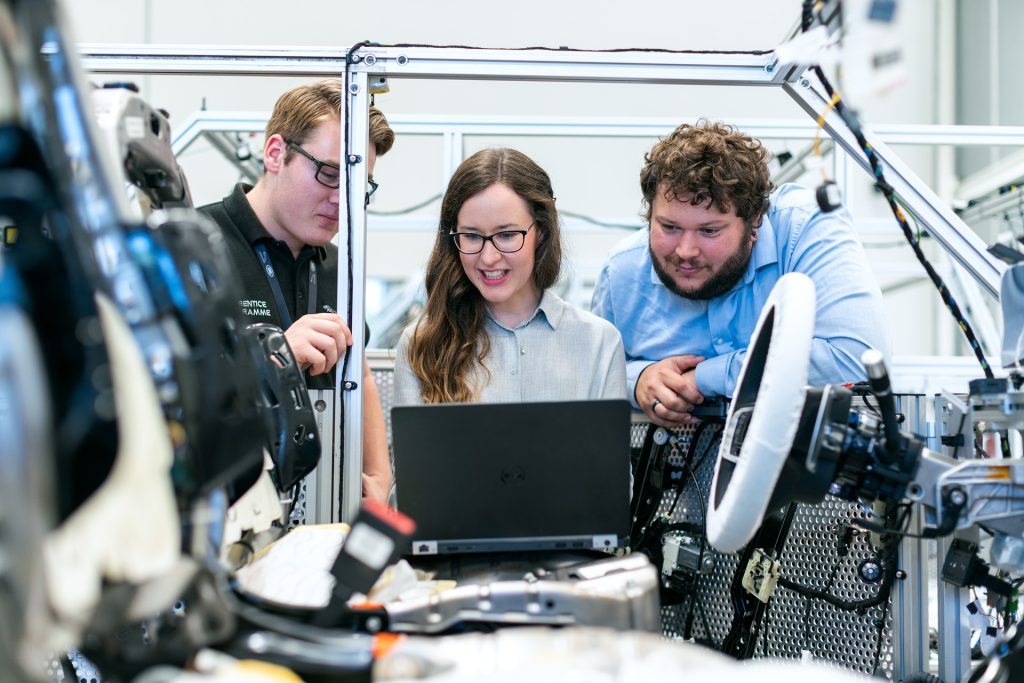
The automobile industry in the USA remains one of the most influential sectors in the American economy. From historic manufacturing hubs to cutting-edge electric vehicle startups, the United States continues to shape global automotive innovation. In 2026, the U.S. auto market is undergoing rapid transformation driven by electric vehicles (EVs), autonomous technology, digital retailing, and sustainable manufacturing practices.
This in-depth guide explores the current state, key trends, and future outlook of the U.S. automobile industry.

Overview of the USA Automobile Industry
The American automotive sector contributes hundreds of billions of dollars annually to the economy and supports millions of jobs across manufacturing, supply chain, technology, and retail sales.
Major legacy automakers such as Ford Motor Company, General Motors, and Stellantis continue to dominate traditional vehicle production. At the same time, electric vehicle leader Tesla has significantly reshaped consumer expectations around sustainability and performance.
The U.S. auto market includes passenger cars, SUVs, pickup trucks, commercial vehicles, and increasingly, electric and hybrid models.

Electric Vehicles (EVs) Driving Growth
One of the most important trends in the USA automobile market is the rapid adoption of electric vehicles.
Why EVs Are Booming:
- Federal and state tax incentives
- Expansion of charging infrastructure
- Rising fuel costs
- Consumer demand for eco-friendly transportation
Companies like Tesla, Rivian, and Lucid Motors are leading innovation, while traditional automakers are investing billions into EV production.
Battery technology improvements, longer driving ranges, and faster charging capabilities are accelerating the shift toward electrification. Industry analysts predict EVs could represent over 40% of new vehicle sales in the U.S. by the end of the decade.

Autonomous and Smart Vehicle Technology
The future of automobiles in the United States is closely tied to autonomous driving systems and smart mobility features.
Companies like Waymo and Cruise are testing self-driving technology in major cities. Meanwhile, automakers are integrating:
- Advanced Driver Assistance Systems (ADAS)
- AI-powered navigation
- Vehicle-to-vehicle communication
- Over-the-air software updates
Connected cars now function like mobile computers, offering real-time traffic data, remote diagnostics, and subscription-based digital services.

The Rise of Online Car Buying in the USA
Digital transformation is reshaping how Americans purchase vehicles. Online platforms and virtual showrooms have simplified the buying process.
Car buyers can now:
- Compare prices online
- Get pre-approved financing
- Schedule home delivery
- Complete digital paperwork
Companies such as Carvana and Vroom have disrupted traditional dealership models by offering fully digital transactions.
SEO trends show increasing searches for:
- “Buy car online USA”
- “Best electric SUV 2026”
- “Affordable hybrid cars in America”
This highlights growing consumer preference for convenience and transparency.

Manufacturing and Supply Chain Shifts
The U.S. automotive manufacturing landscape is evolving due to global supply chain disruptions and semiconductor shortages experienced in recent years.
To reduce dependency on foreign suppliers, companies are:
- Building domestic battery plants
- Investing in U.S.-based chip manufacturing
- Expanding production facilities in southern states
States like Michigan, Texas, Tennessee, and Georgia are becoming major hubs for EV production and battery innovation.

Sustainability and Green Initiatives
Sustainability is now central to the American automobile industry. Automakers are focusing on:
- Carbon-neutral production facilities
- Recyclable vehicle materials
- Renewable energy use in manufacturing
- Reduced emissions targets
Government regulations and consumer awareness are pushing automakers toward greener practices, positioning the USA as a leader in sustainable transportation.

Challenges Facing the USA Auto Industry
Despite growth, the sector faces several challenges:
- Rising vehicle prices
- Inflation impacting consumer spending
- EV infrastructure gaps in rural areas
- Cybersecurity risks in connected vehicles
- Regulatory compliance costs
However, innovation and strategic investments continue to strengthen long-term growth prospects.

Future Outlook: What’s Next for Automobiles in America?
The future of the automobile industry in the USA will likely focus on:
- Mass EV adoption
- Autonomous ride-sharing fleets
- Subscription-based car ownership models
- AI-driven vehicle personalization
- Smart city integration
With strong innovation, government support, and evolving consumer behavior, the U.S. auto industry is poised for significant expansion in the coming years.

Conclusion
The USA automobile industry in 2026 represents a dynamic mix of tradition and innovation. While legacy automakers maintain strong market presence, electric vehicles, autonomous technology, and digital retail models are reshaping the future.
As sustainability, connectivity, and automation accelerate, the American automotive market will continue to lead global transformation — making it one of the most exciting industries to watch in the decade ahead.